
The first time I stepped into a batting cage against a pitcher who actually knew what he was doing, I swung at three pitches and hit nothing but air. It’s humbling. Velocity alone will rattle you, but velocity isn’t even the scariest part. It’s the movement you don’t see coming.
I get asked pretty often what the single toughest pitch to hit in baseball actually is. Opinions vary, and honestly, they should. A knuckleball that ties one hitter in knots might sit up like a beach ball for the next guy. But there’s a short list of pitches that show up again and again when hitters, coaches, and scouts talk about what genuinely gives them trouble: the fastball, slider, curveball, splitter, cutter, and knuckleball.
Let’s break each one down, talk about why they’re so hard to square up, and get into what’s actually happening between the mound and the plate that makes hitting a moving baseball one of the hardest things to do in sports.
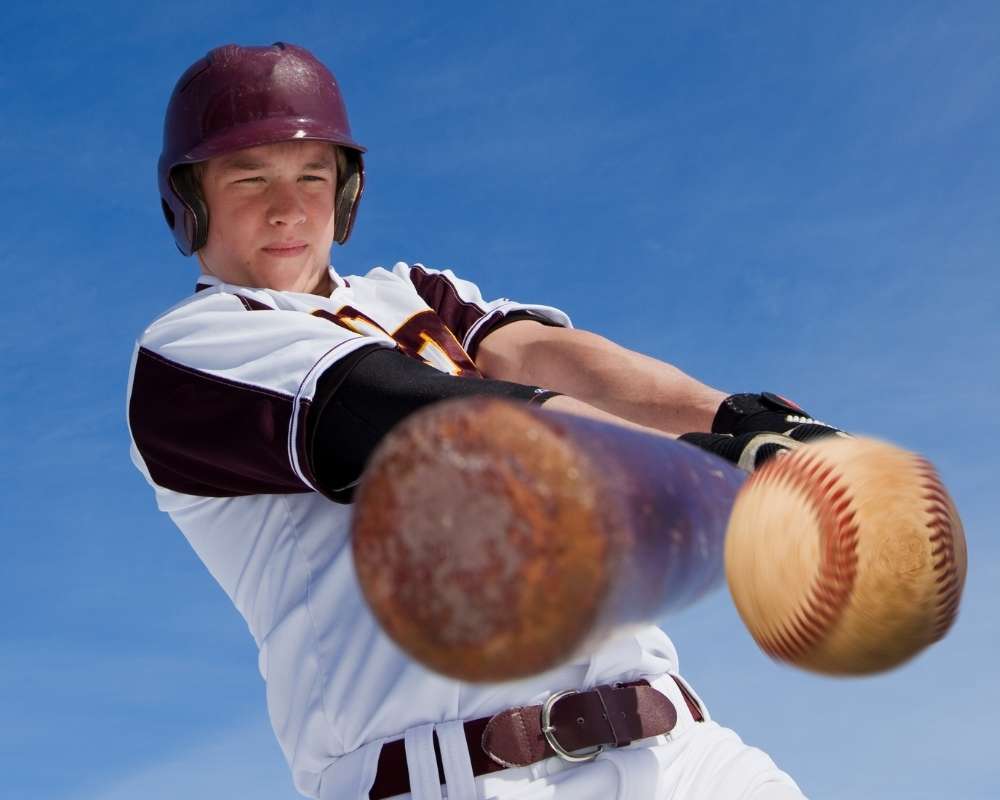
The Pitches That Give Hitters the Most Trouble
Fastball (Four-Seam and Two-Seam)
A well-located fastball is still one of the toughest pitches to hit with any real power, and that’s not a contradiction. There are two main flavors. A four-seam fastball has backspin and travels about as straight as a pitch gets, and the whole idea is speed and late life at the top of the strike zone. A two-seam fastball is usually a tick slower but has more sink and arm-side run, so it tails away from a hitter instead of coming in flat.
What surprises a lot of people is that the fastball, not some exotic breaking ball, is often the pitch with the best swing-and-miss numbers at the highest level. High-velocity relievers who pair elite arm speed with a flat, backspin-heavy fastball routinely post some of the best whiff rates in the league on that pitch alone. Speed plus spin plus location beats a fancy grip almost every time.
Cutter
The cutter is basically a fastball with a late secret. It travels almost like a four-seamer, then breaks a few inches toward the pitcher’s glove side right as it reaches the plate. That tiny bit of last-second movement is what jams hitters and turns solid contact into a broken bat or a weak roll-over.
Slider (and the Rise of the Sweeper)
A slider is gripped off-center so it comes out with a tight, hard spin, usually with a 3 to 6 inch break and a speed roughly 9 to 12 mph slower than a four-seam fastball. Because it starts on a similar path to a fastball before darting away late, it’s one of the pitches responsible for the most awkward, off-balance swings in the game.
In recent seasons, a wider, more horizontal version of the slider called the sweeper has taken over a lot of pitching staffs. It trades some depth for exaggerated side-to-side movement, and it’s become one of the pitches with the lowest batting averages allowed across the league. If you’re watching a pitcher get hitters to chase a ball that looks hittable and then dives out of the zone, there’s a good chance you’re watching a sweeper.
Curveball
A curveball has topspin instead of the backspin you’d get on a fastball, which is what makes it dive instead of stay flat. It usually breaks 6 to 12 inches, has more depth than a slider, and typically comes in around 12 mph slower than a fastball. Some of the best curveball pitchers in the game are able to get whiff rates well above league average on the pitch, and that gap between “looks like a strike” and “ends up in the dirt” is exactly why it fools so many hitters.
Splitter and Changeup
These two don’t get talked about as much as the slider or curveball, but they’re arguably just as nasty. A splitter comes out of the hand looking exactly like a fastball, then loses velocity and drops sharply right as it reaches the plate. Some of the hardest-throwing relievers in the league pair a high-90s fastball with a splitter that shows the same arm speed and tunnels off it almost perfectly, which is a big reason it consistently ranks among the pitches with the highest whiff rates in baseball.
A changeup works on the same principle but relies more on deception than pure drop. It comes out of the hand looking identical to a fastball, then arrives 8 to 12 mph slower, which wrecks a hitter’s timing far more than his eyes.
Knuckleball
The knuckleball is thrown slow and with almost no spin at all, which is exactly what makes it so unpredictable. Air molecules grab at the ball’s seams unevenly as it travels, so it floats, flutters, and darts in ways even the pitcher can’t fully control. This unpredictability is also why catcher’s mitts run bigger to handle knuckleballs. It’s not just hitters who struggle to read the pitch; it’s the guy behind the plate too.
Why Some Pitches Are So Much Harder to Hit Than Others
Every pitcher and every hitter is different, which is exactly what makes this such a tough thing to hit consistently. A ball thrown at full effort gives a hitter almost no time to think, and the margin for error is razor thin.
Here’s a number that always sticks with people. The average human blink takes somewhere between 100 and 400 milliseconds. A 100 mph fastball takes roughly 400 milliseconds to travel from the mound to home plate. Do the math and a hitter is left with a sliver of time to recognize the pitch, decide whether to swing, and actually make contact.
That’s why pitchers who can disguise their intentions get so much more mileage out of the same pitches. If a fastball and a changeup come out of the hand looking exactly alike, the hitter has to commit to a swing before the ball even reveals what it’s going to do. Pitchers who can hold that deception, then adjust their velocity and spin mid-count, are the ones who consistently get hitters out.
What Actually Makes a Pitch “Nasty”
It comes down to a few things working together, not just raw speed.
- Spin rate. A fastball with a high spin rate tends to resist gravity longer than a hitter expects, so it looks like it’s “rising” through the zone even though it’s just dropping less. A breaking ball with high spin snaps later and harder, which is what makes it look hittable right up until it isn’t.
- Tunneling. This is the ability to make two completely different pitches look identical out of the hand for as long as possible before they separate. A fastball and splitter that tunnel well are far more dangerous together than either pitch is on its own.
- Command. Even the nastiest pitch is hittable if it’s not located well. A slider left over the middle of the plate gets punished no matter how much it moves.
- Sequencing. Pitchers who mix speeds and locations, and who aren’t predictable with their patterns, force hitters to guess. Guessing wrong against a 95 mph fastball or a sharp slider almost always ends in a swing and a miss.
A lot of pitchers who throw hard also lean on grip aids like pine tar for better grip and spin control, since a cleaner release directly affects how consistent that spin and movement end up being.
There’s also a physical cost to throwing these pitches, which is worth remembering the next time you see a pitcher get pulled after five innings. Sliders and splitters both require a twisting release that puts real strain on the elbow and shoulder, which is part of why so many hard-throwing pitchers deal with arm injuries over a long career.
How to Get Better at Hitting Tough Pitches
You’re not going to solve any of this by reading about it, and I say that as someone writing an article about it. The only real fix is repetition against pitches you actually struggle with.
If you don’t have a live pitcher who can consistently throw sliders, curveballs, and changeups on demand, training against a good pitching machine is one of the most efficient ways to get reps in. I’ve put together a full breakdown of the best pitching machine options if you’re shopping for one, along with a guide on how to use a pitching machine to set up drills for the specific pitch types that give you the most trouble. Isolating one pitch and seeing it a hundred times in a session builds recognition way faster than facing it once every few at-bats in a real game.
Final Thoughts
There isn’t one single pitch that’s universally the hardest to hit. It really does depend on the hitter, the pitcher, and the situation. But between blistering fastballs, late-breaking sliders and sweepers, diving splitters, and knuckleballs that even the catcher can’t predict, hitters have plenty to worry about on any given pitch.
If you’re working on your own game, don’t get discouraged when you whiff on a good one. Even big leaguers get beat by these pitches regularly. Learn to recognize the grip, the release, and the early flight path, put in the reps, and you’ll start closing that gap.

With 4 years of Division II experience, a .272 career batting average, .410 on-base percentage, and 7 home runs, I’m now in my fifth season. I’ve played baseball since age 3, alongside future MLB Draft picks, and I aim to pursue a career in baseball professionally, be it playing, coaching, or scouting.