
Do you see the potential in your kid and believe they can become a baseball sensation? One of the easiest upgrades you can make for a young hitter is a good pair of youth baseball batting gloves.
I’ve spent enough seasons around Little League and travel ball dugouts to know that grip decides at-bats. When a bat handle slips even a little in a kid’s hands, the swing loses power and the barrel drags through the zone late. A solid pair of batting gloves fixes that instantly.
Batting gloves also protect small hands from blisters and sting, which matters a lot during long cage sessions and tournament weekends. But picking the right pair isn’t as simple as grabbing the first colorful set off the shelf.
Size, material, and wrist closure all affect comfort and grip. This post rounds up the top youth batting gloves a parent should buy, plus a full buying guide so you know exactly what to look for.
Top 5 Best Youth Baseball Batting Gloves Review
Below I’ve reviewed the best-rated batting gloves for youth players. These gloves don’t just look sharp, they offer real comfort and protection to a young hitter.
All of them come from established brands, so you don’t have to worry about durability or whether the company will stand behind the product.
1. Mizuno MVP Baseball Batting Gloves (Overall Best)

This pair is still one of my go-to picks for younger hitters. The mesh back keeps hands cool during summer tournaments, and the non-slip synthetic palm holds up well once you’ve got the sizing dialed in.
Mizuno’s QuickAdjust strap makes these easy to snug down without help from a parent, which matters for kids who don’t want to fumble with gear between at-bats.
The synthetic material flexes easily, so newer players aren’t fighting the glove while they’re still building a swing. I’d lean toward these in hot, humid climates where breathability matters more than heavy padding.
The one tradeoff is there’s no interior padding, so vibration protection is thin. For a beginner or rec-league hitter, that’s rarely a dealbreaker.
Cleanup is easy too. These can go right in the washing machine and air dry in the shade.
Features:
- Sizes Available: XX-Small, X-Small, Small, Medium
- Material: Synthetic
- Wrist Style: Velcro
2. Under Armour UA Clean Up Youth Batting Gloves (Best Comfortable Batting Gloves)
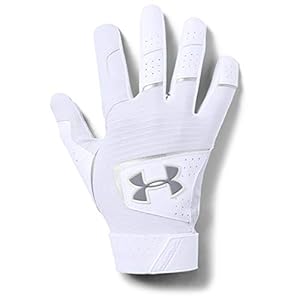
My son has worn a pair of these for a couple of seasons now, so I can speak to the durability firsthand. Made using leather, the gloves offer uncompromised comfort.
Under Armour built these with small perforated holes across the fingers and glove body for real breathability, and the HeatGear lining pulls sweat away instead of trapping it during long doubleheaders.
The synthetic overlays add flex without giving up structure, so a hitter can swing all the way through without the glove fighting back. I also like the elastic wrist cuffs, since they lock the hand in for a snug fit.
Over a season or two of heavy use, that elastic cuff can loosen up, so don’t be surprised if you need a fresh pair before the leather itself wears out. Overall build quality is solid, and the polyester shell resists moisture, which adds to the lifespan.
In a nutshell, this pair of youth baseball batting gloves is a strong pick for a hitter who wants all-day comfort.
Because they’re leather-based, they do run a little heavier than the synthetic options on this list.
Features:
- Sizes Available: Small, Medium, and Large
- Material: Leather and Synthetic
- Wrist Style: Elastic Wrist Cuff
3. Franklin Sports MLB CFX Pro Youth Batting Gloves

If I had to point one youth hitter toward a single pair on this list, it would probably be this one. The CFX Pro line is what a lot of travel ball and high school programs default to, and the youth version keeps the same design in smaller sizing.
The curved palm and relief lines running along the fingers and knuckles let the glove flex naturally with the swing instead of bunching up under the palm.
The thick padding on the inside cuts down on the sting from bat vibration, which protects the hands and helps a hitter stay locked in during heavy cage work.
Breathability is solid too, thanks to perforated holes across the front and back of the fingers.
These gloves use a Velcro wrist closure, so they’re quick to get on and off between at-bats.
Hitters barely notice they’re wearing them, since they’re lightweight and snug. The main downside is that leather takes a bit more care to keep clean than a synthetic pair.
Franklin sells these in a wide range of colorways, so most kids can find a look they actually want to wear on game day.
Features:
- Sizes Available: Large
- Material: Leather
- Wrist Style: Velcro
4. Clutch Sports Apparel Baseball and Softball Batting Gloves
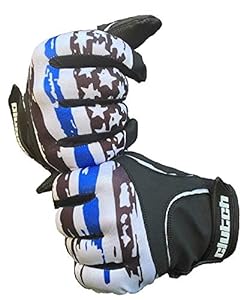
Clutch Sports Apparel has built a following among younger travel ball players who want their gear to look as good as it performs. Made with premium leather, the gloves have solid cushioning that adds real comfort.
On the palm, the pair uses microfiber material for grip and breathability, and a slight pre-curve hugs the hand for a more flexible fit.
Clutch designed these with perforated holes to keep hands cool during play, though the thicker construction runs a bit warmer than a pure mesh glove.
The color selection is a big draw here, and the Thin Blue Line American Flag colorway remains one of the most popular picks with kids who want something that stands out in the dugout. The hook and loop closure keeps the glove secure and prevents it from slipping off mid-swing.
Vibration and sting are well controlled here, so these hold up for both practice sessions and tournament weekends.
They do run a bit heavier due to the padded, oversized build, but most players adjust to that within a game or two.
Features:
- Sizes Available: Youth and Adult, X-Small through XX-Large
- Material: Leather
- Wrist Style: Hook and Loop (Velcro)
5. Franklin Sports MLB Digitek Youth Batting Gloves

Franklin built the Digitek line specifically with younger hitters in mind, and it shows in the fit. Made with leather and synthetic materials, these gloves work well across seasons.
The synthetic mesh lining breathes well and carries enough padding to take the edge off bat vibration without feeling bulky in a young hitter’s hand.
The leather palm gives the glove a natural arc that helps stabilize the grip through the swing, which is a nice touch for kids who are still building consistent mechanics.
The Velcro closure makes it simple for a kid to put these on and take them off without help, and it adds a little confidence at the plate once the fit feels locked in.
Microfiber patches along the sides add a bit of extra grip and a cleaner look overall.
Franklin backs these with the durability the brand is known for.
These come in a solid range of colors, including gray, white, black, and more, so this is an easy recommendation if you’re outfitting more than one kid or replacing gloves a growing player will size out of soon anyway.
Features:
- Sizes Available: Medium and Large
- Material: Leather and Synthetic
- Wrist Style: Hook and Loop (Velcro)
How to Choose the Best Youth Baseball Batting Gloves – Buying Guide
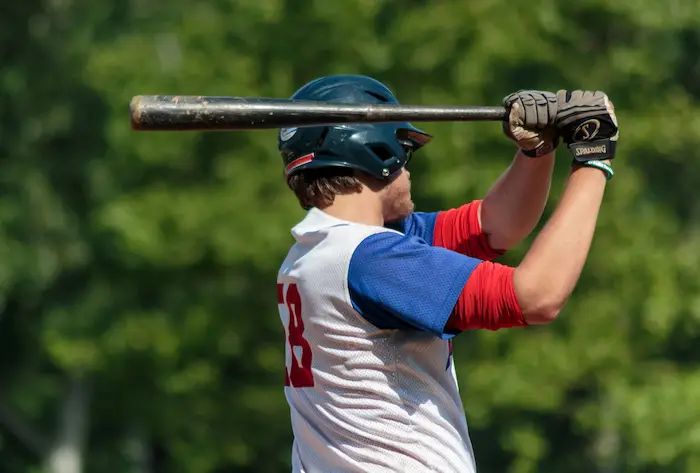
A glove that fits well changes the way a kid hits. Gloves that fit loose kill grip, and gloves that fit too tight restrict the wrist and fingers right when a hitter needs full range of motion. Here’s what actually matters when you’re shopping.
Size
| Size | Batters Hand |
| XS | Under 6″ |
| S | 6″ – 6.25″ |
| M | 6.25″ – 6.5″ |
| L | 6.5″ – 6.75″ |
| XL | 6.75″ – 7″ |
A pair of gloves that’s too loose will fly off the hands, and a pair that’s too tight won’t be comfortable to wear. When buying batting gloves for your kid, you can’t overlook sizing.
These gloves come in a range of sizes for a reason, so measure the batter’s hand length before you buy instead of guessing off age alone. Two ten-year-olds can easily need two different sizes.
If you’re outfitting a full gear bag, it helps to handle the bat first, since grip and bat fit work together. Our guide to the best youth baseball bats covers sizing the same way I do here.
Materials matter too. In a nutshell, the gloves should offer a snug fit, since tight gloves restrict movement and loose gloves lead to slippage.
Manufacturers typically use leather (often cabretta or goatskin) and synthetic materials to build batting gloves. Both offer clear benefits.
Synthetic batting gloves offer more flexibility than leather and are easy to clean. They also breathe better. Leather gloves, on the other hand, offer a classic feel and tend to hold up longer under heavy use.
Leather can feel a little stiff at first. But once the batter breaks a pair in, they start to feel like a second skin.
A lot of manufacturers now offer mixed-fabric gloves with leather palms and a synthetic upper for better grip and flexibility together.
Wrist Style
The wrist style has a real impact on a batter’s performance and how long the gloves last. Most youth baseball batting gloves come with a Velcro wrist closure, since it’s easy for a kid to adjust on their own.
Velcro does lose some grip over time if it gets wet regularly. You’ll also find options with a high-profile wrist, which offer more compression and support for the wrist.
Gloves with a low-profile wrist style give a hitter more freedom of movement through the swing. Ask your kid about their preference, or check with the team’s coach to get a better read on the right style for their swing.
Added Features
Look for added features, including an articulated thumb that gives the thumb better range of motion.
Some pairs also have a pre-curved palm that reduces bunching under the knuckles. Extra interior padding adds comfort and helps absorb the sting from bat vibration on mishits.
The right pair really comes down to the player’s preference and hand size. But with these features in mind, you can pick the best youth baseball batting gloves for your young hitter.
Youth Batting Gloves FAQ
Do youth baseball players really need batting gloves?
They’re not required by rule, but I’d still put them on my kid’s shopping list. Batting gloves improve bat grip, cut down on blisters during long practice weeks, and take some of the sting off bat vibration on a bad-contact swing.
How do I measure my kid’s hand for batting gloves?
Measure around the widest part of the batter’s dominant hand, right below the knuckles, and match that number to the size chart above. When a kid is between sizes, I usually size down for a snugger, more secure grip.
How often should you replace youth batting gloves?
Most young hitters outgrow a pair before it wears out. Still, check the palm and wrist closure at the start of each season. Once the palm material thins out or the Velcro stops holding, it’s time for a new pair.
Leather or synthetic, which is better for beginners?
For a brand-new hitter, I’d start with synthetic. It’s cheaper, breaks in faster, and is easier to replace once a growing kid sizes out of it. Leather is worth the upgrade once a player is committed to travel ball or a higher level of play.
Final Thoughts
Having the best youth baseball batting gloves is essential for a good grip on the bat. These leather and synthetic gloves protect the hands from blisters while boosting confidence and helping performance at the plate.
Read the reviews carefully, and use the buying guide above to zero in on the features that matter most for your hitter.
If your kid also splits time behind the plate, my best youth catchers mitt guide breaks down sizing the same way. And if you’re still rounding out the rest of the bag, my best baseball helmet for youth guide covers fit and certification so the whole kit is dialed in together.

With 4 years of Division II experience, a .272 career batting average, .410 on-base percentage, and 7 home runs, I’m now in my fifth season. I’ve played baseball since age 3, alongside future MLB Draft picks, and I aim to pursue a career in baseball professionally, be it playing, coaching, or scouting.