
Come on now – just one more hit. Don’t let me down now, batsy – we’ve got this.
This was me. During my second season, holding onto my bat as if I was holding onto dear life. That one hit was all I needed to get our team the oh-so crucial points. What happened is …
(The rest of the story comes later)
Look – let’s cut to the chase. You want a composite softball bat because it has a greater “trampoline effect” than all the other bats made from different materials. Whether it’s aluminum alloy or wood, no one can hold a candle to the power of a good composite bat.
Plus, just as you saw in the story, a bat is not just about power & durability. Comfort plays a HUGE part. Your softball bat needs to be your extension – your trusted partner-in-crime. And when you choose a partner from this lineup of the best composite softball bats for 2026, you’ll be all set for an entire season.
With that said, a bat won’t make you a Hall of Famer. But it’ll DEFINITELY help you improve your batting average IF you’re comfortable with your bat. I’ve spent the last few weeks re-testing this list, checking which bats are still certified, which models got replaced, and which new releases actually deserve a spot. Let me show you what’s in store.

Top 7 Best Composite Softball Bats
Even at the risk of repeating myself – I have to say – a bat won’t make you a better hitter. It’s something you’ve got to become on your own. But a good samurai needs a sharp sword, and a good batter needs a good bat.
I’ve got a bat for everyone here. Whether you’re a slowpitch superstar, fastpitch fab, a power hitter, or a contact hitting specialist, you’ll find a bat suited to your playstyle. If you’re not even sure which format you should be shopping for yet, our breakdown of slowpitch vs fastpitch softball bats is worth a quick read first. Now, I’ll show you what each bat brings to the table, and you’ve got to figure out if it fits your playstyle or not.
Short on time? Here’s the quick-glance version. I go deep on every bat right after the table.
| Bat | Best For | Construction | Drop | Certifications |
|---|---|---|---|---|
| DeMarini 2026 CF | Best overall / contact hitters | 2-piece composite, Type-V connection | -8 to -11 | USSSA, ASA, ISA, NSA, USA Softball, WBSC |
| Easton FIREFLY | Best budget composite bat | 2-piece all-composite, Connexion+ | -12 | USSSA / USA Softball dual stamp |
| Rawlings Mantra | Best for lighter swing weight | 2-piece composite, F2 collar | -9, -10 | USSSA, ASA, USA Softball |
| Easton GHOST ADVANCED | Best for power hitters | 2-piece double-barrel composite | -8 to -11 | USSSA, USA Softball, ISA, NSA, WBSC |
| Marucci Echo Connect DMND2 | Best value composite bat | 2-piece composite, Outer-Locking System | -10 | USSSA, USA Softball, ISA, NSA, WBSC |
| Louisville Slugger 2026 Kryo | Best premium composite bat | All-composite gapped-wall barrel | -8 to -11 | USSSA, USA Softball, ASA |
| Worth 2026 Bedlam (Josh Riley) | Best composite slowpitch bat | 2-piece composite, end-load | N/A (slowpitch) | USSSA and USA/ASA versions |
1. DeMarini 2026 CF Fastpitch Softball Bat
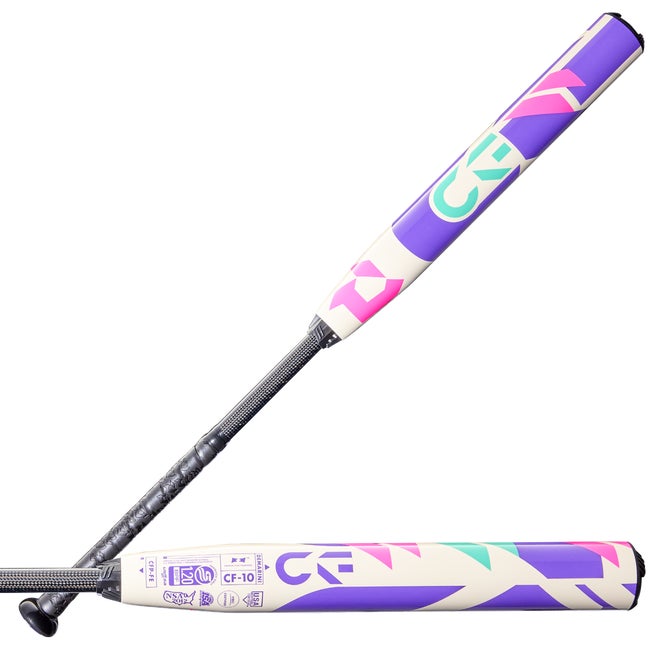
Truth be told – it’s really hard to get a composite bat that has good balance plus great pop. Most of the time, you have to choose one and let go of the other.
Now, I know you’re expecting some sales pitch where I tell you the 2026 CF changes everything. It doesn’t have to. This bat has been DeMarini’s flagship fastpitch composite for years, and the 2026 version is a refinement, not a reinvention.
It’s a two-piece fastpitch composite bat, so there’s a good balance. Every time you hit the ball, your hands won’t feel the sting too much. You’ll still feel some vibration, sure, but the two pieces are joined with DeMarini’s Type-V connection, and that connection point does a lot of the heavy lifting when it comes to keeping the sting in check.
The 2 1/4-inch barrel is built from DeMarini’s Paraflex Plus composite. I mentioned earlier that composite bats are popular for having a better “trampoline effect,” and the CF doesn’t disappoint there.
It’s marketed more toward contact hitters than pure power hitters, but it’s still got plenty of pop. You get drop weights from -8 to -11, so if you want to load up on mass and swing for the fences, grab the heavier end of that range.
The biggest selling point is the sweet spot. It’s a genuinely large one, which means you’re less likely to sting your hands off a mishit unless your mechanics are way off. That larger margin for error is a big reason this bat keeps showing up on “best composite” lists year after year.
It’s a hot bat right out of the wrapper, which means it doesn’t need a long break-in period. A couple hours of swinging and you’re good to go, which is more than I can say for some of the stiffer composite bats on this list.
The one knock against it, and this applies to basically every hot composite bat, is durability if your swing mechanics aren’t dialed in yet. Mishits that repeatedly land off the sweet spot can crack or dent even a well-built barrel over time. DeMarini backs the CF with a one-year limited warranty, so if something does go south, you’re covered for a one-time replacement.
One more thing worth repeating – some composite bats are illegal in different leagues. DeMarini lists approval for USSSA, ISA, ASA, NSA, USA Softball, and WBSC on the CF line, but you should still double-check with your coach and your league officials before you show up to a game with it. Apart from that, the CF remains one of the best composite softball bats out there right now.
Details:
- Size: 28 to 34 inches
- Drop: -8 to -11
- Bat Type: Balanced, 2-piece composite
- Connection: Type-V
2. Easton FIREFLY Fastpitch Softball Bat
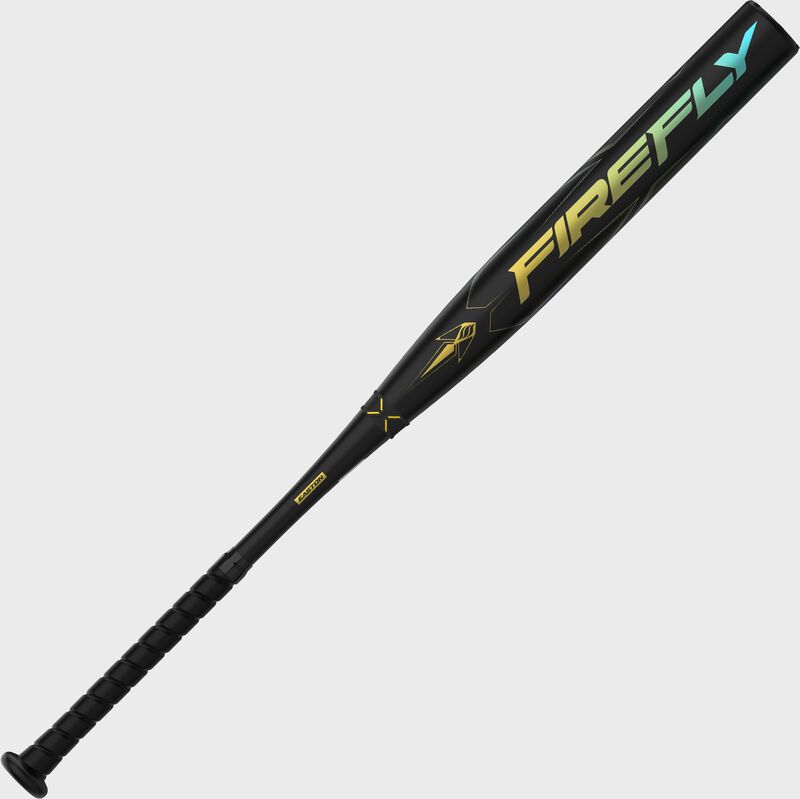
This year I decided to coach my daughter’s softball team because I had time on my hands and wanted to see the team succeed. Her team was in dire need of some good composite bats.
Once I was in the store looking for the best deal, I realized it’s hard to find something cheap but still good quality. I chatted with a fellow coach, and she recommended the FIREFLY. I fell in love with it right when I saw it. Great look, excellent pop for the price.
It’s a two-piece all-composite bat with a -12 length-to-weight ratio, designed for fastpitch players who want more whip in their swing without adding weight.
Make sure you break it in first, because if you don’t, the ball will go straight up and over the outfield wall the moment it wakes up. I went easy on it with soft toss before letting the girls hit full power. After a few games, I realized the balls were carrying farther than off the alloy bat she’d been using, so I took it out and gave it a proper break-in session myself.
It took roughly 150 to 200 swings to fully break it in, and the performance noticeably improved from there. During all those hits, I really liked the tacky grip. You won’t need batting gloves for this one, though most girls appreciate the extra grip and feel gloves give them anyway.
Easton’s Connexion+ technology on this bat creates a light feel in your hands while keeping the barrel’s natural flex. Right out of the package, the barrel feels softer and more forgiving thanks to its seamless carbon construction.
For the price, you won’t find a better lightweight composite bat. On durability, it’s hard to make a lifetime guarantee on a bat this affordable, but for what you pay, it’s one of the best cheap composite softball bats on the market and a smart way to try composite construction without spending $400+.
Details:
- Size: 28 to 32 inches
- Drop: -12
- Grip Type: High tack
- Grip Size: Standard
3. Rawlings Mantra Fastpitch Softball Bat
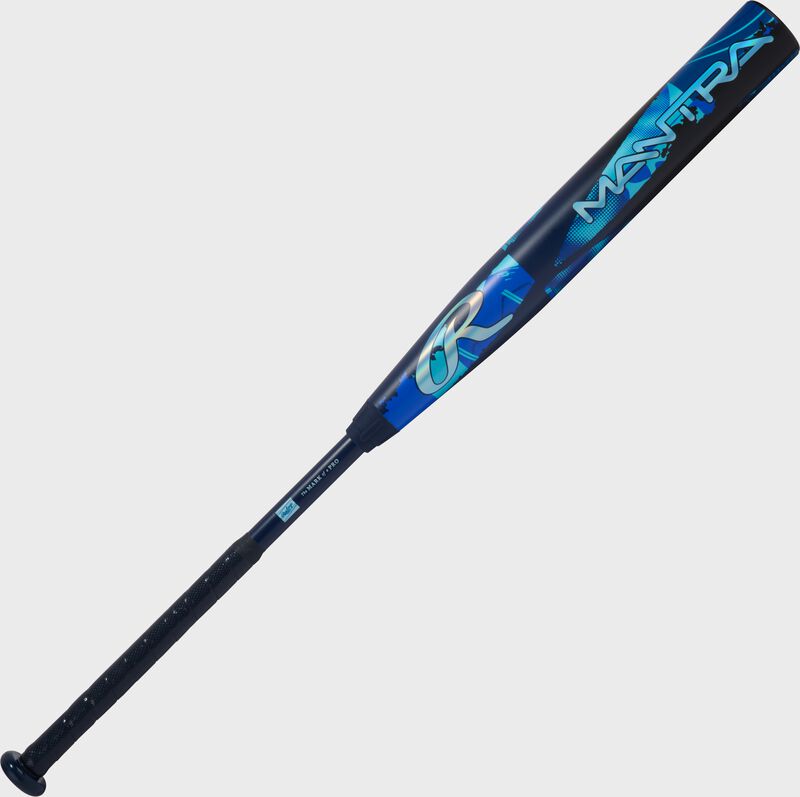
If you want to be the best, you have to swing one of the best composite softball bats out there. Almost everything about the Rawlings Mantra screams well thought out.
This is an all-composite bat from the barrel to the handle, using the same two-piece approach as the FIREFLY above. The feature I really like is the thinner outer barrel wall, which creates a bit more trampoline effect and a noticeably crisper sound off the bat.
Rawlings has made some loud-sounding fastpitch bats in the past. This one doesn’t scream on contact the way some older Rawlings models did, and every girl on my team who tried it liked the sound it makes.
The F2 collar is worth calling out specifically. It eliminates barrel drag, which gives you a smooth feeling on contact and cuts vibration down to almost nothing. The end cap design also helps eliminate drag and adds a touch more swing speed.
What surprised me was the weight. The 32-inch, -10 drop version feels genuinely light in hand, one of the lighter bats on this list. The handle uses the Lizard Skins grip, which gives you a tacky feel and real comfort over a long practice session.
If you’re the type of hitter who prefers a heavily balanced swing feel with a lot of flex, this might not be the one for you. The Mantra runs slightly stiffer and needs a proper break-in period before the pop shows up. That’s also a good sign it’ll hold up over a full season, but the wait might be a dealbreaker if you want a bat that’s hot out of the box.
Overall, the Mantra gives you an ease-of-use advantage most other composite bats in this price range can’t match. Whether you’re a rec league player just getting started or a seasoned vet looking for a new weapon, it’s a smart pick.
Details:
- Size: 30 to 34 inches
- Drop: -9 and -10
- Grip Type: Lizard Skins
- Grip Size: Standard
4. Easton GHOST ADVANCED Fastpitch Softball Bat
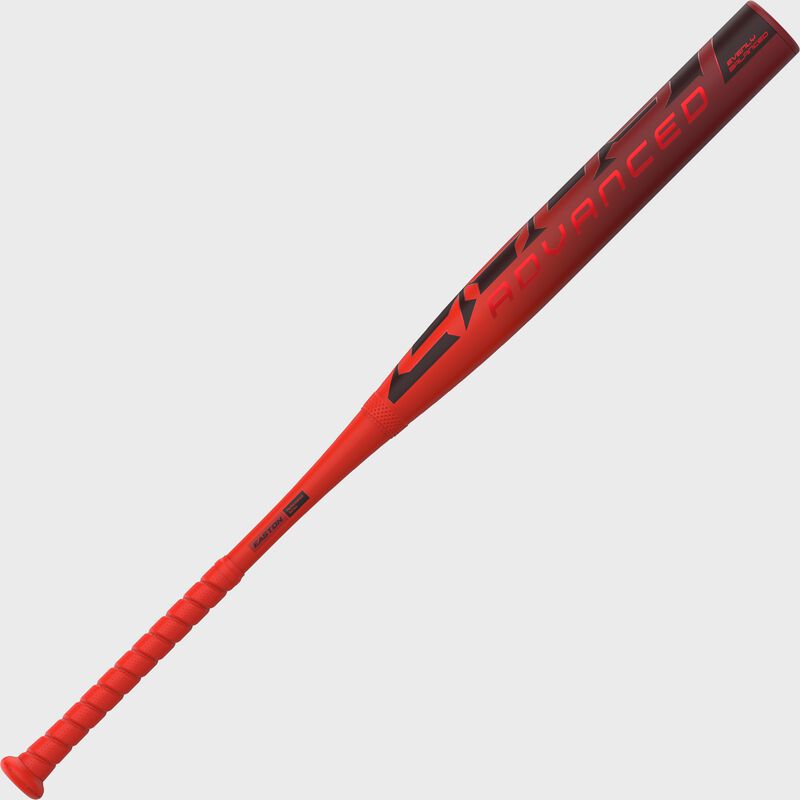
It’s hard not to recommend Easton bats. This is a well-known brand in the softball community, and they know how to build top-rated composite fastpitch softball bats.
The GHOST ADVANCED is a great addition to any power hitter’s bag. I’ve already recommended the FIREFLY above, which a lot of you will like for the price. The GHOST ADVANCED, on the other hand, is much more expensive but a lot more feature-packed, and honestly, this is the bat I reach for if you want real power off the barrel.
This bat is built with the highest-performing composite Easton puts on a fastpitch bat, and it supports a lower swing weight than a lot of the competition, so it’s easier to swing fast and still deliver more power through the zone.
It’s a double-barrel construction, so you get more whip and pop than a traditional single-barrel design. The sweet spot sits toward the top of the barrel, so you should be squaring the ball up over the plate consistently.
The next thing that stands out is how it feels in your hands. The flexible design lets you swing fast and work on your mechanics at practice without worrying about breaking it. I’ve used Easton bats for a long time and always come back for their Lizard Skins grips, and that’s just the start of it.
There’s basically no vibration on contact. The connection piece separating the barrel from the handle does a lot of that work, giving you a smooth feel on impact.
It comes in every common drop weight, so you can dial in the fit for your swing. Drop -10 leans toward high school players who need more bat speed. I personally prefer -8 and -9 because those are more end-loaded, which I find easier to load up and drive through the ball.
If you want a stiffer feel with less flex, look at a one-piece composite bat instead. You’ll trade some of the whip for a slightly quicker bat speed off the barrel.
Details:
- Size: 29 to 34 inches
- Drop: -8 to -11
- Grip Type: Lizard Skins
- Grip Size: Standard
5. Marucci Echo Connect DMND2 Fastpitch Bat

Marucci updated the Echo Connect line to the DMND2, and it’s their most responsive, powerful, and durable composite fastpitch bat yet.
It’s got the same durability and performance ambitions as the top-tier bats on this list, but at a price that’s genuinely a bargain most of the year. If you’ve been wondering where to find a big-name composite bat without paying full retail, give this one a look.
The barrel is built with Marucci’s MDX MAX composite, a multi-directional composite designed for a more responsive, ring-free barrel. It’s paired with the Outer-Locking System (OLS), which attaches the barrel to the handle from the outside in for a stiffer connection and noticeably less vibration than the original DMND.
The first thing I noticed picking it up was how light it felt while still feeling strong through the zone. It’s got a nice flex profile and good balance toward the sweet spot, plus a micro-perforated soft-touch grip with extra tack that’s genuinely comfortable to hold for a long practice session.
The carbon composite handle keeps vibration down and adds a bit of accuracy on off-center contact. It’s a slightly end-loaded bat, so it’s a good match if you want a bit more pop without going full end-load.
Marucci backs it with a full twelve-month manufacturer warranty, and it’s approved for USSSA, USA Softball, ISA, NSA, and WBSC play. For the price it typically sells at, this is one of the best value composite bats you can buy right now.
Details:
- Size: 31 to 34 inches
- Drop: -10
- Grip Type: Micro-perforated soft-touch grip
- Grip Size: Standard
6. Louisville Slugger 2026 Kryo Fastpitch Softball Bat
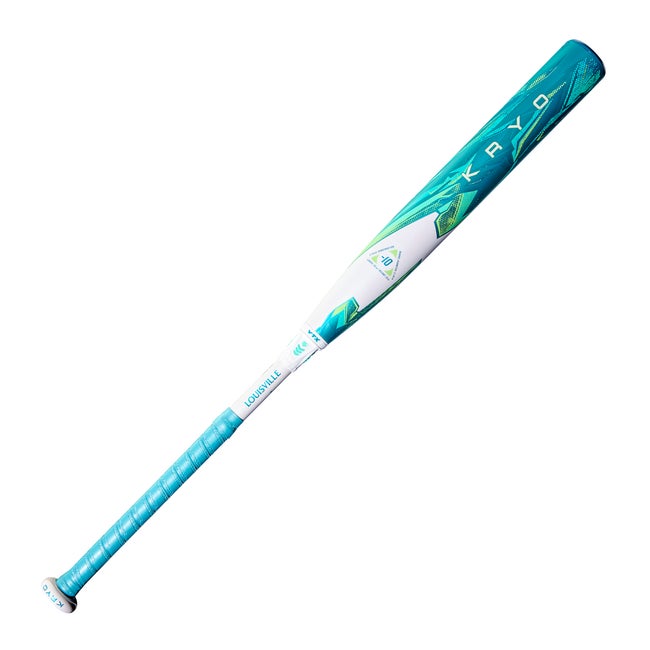
I need to update this section from previous years. The LXT was my go-to Louisville Slugger recommendation for a long time, but Louisville Slugger has since moved its fastpitch flagship over to the Kryo line, and that’s the bat you’ll actually find on shelves and on Louisville’s own site for 2026.
The Kryo uses an all-composite, gapped-wall barrel design, which is Louisville’s way of saying the barrel wall isn’t a single uniform layer. That construction is built to give you a bigger, more forgiving sweet spot along with a cleaner sound and feel on contact than the older LXT generation.
It comes in the full spread of drop weights (-8 through -11), so lighter contact hitters and bigger power swingers both have an option. Louisville also runs limited colorways throughout the season, like the Thundernight and Love the Moment editions, if you want to stand out in the box.
Where the Kryo earns its spot on this list is balance. It’s not the harshest, stiffest composite bat out there, and it’s not a one-trick power bat either. It splits the difference between control and pop, which is exactly what a lot of hitters moving up from an alloy bat are looking for in their first composite.
It’s a premium-priced bat, so it’s not the pick if you’re on a tight budget (grab the FIREFLY instead). But if you want Louisville Slugger’s current best fastpitch composite construction and you’ve outgrown an entry-level bat, the Kryo is where that money should go.
Details:
- Size: 30 to 34 inches
- Drop: -8 to -11
- Barrel: All-composite gapped-wall
- Grip Type: LS PRO Comfort Grip
7. Worth 2026 Bedlam Slowpitch Softball Bat

Everything on this list so far has been fastpitch. Time to switch gears, because on the slowpitch side of things, Worth is known for making some of the best composite slowpitch softball bats on the market, and the Bedlam is their current flagship.
This is the Josh Riley signature version, a two-piece composite build available in an XL end-load with a 12.5-inch barrel (USSSA stamp) or a 13.5-inch barrel on the USA/ASA-stamped version, plus a balanced option if end-load isn’t your thing. That extended barrel length gives you a bigger sweet spot and more forgiveness on contact that isn’t perfectly centered.
This bat runs hot. There’s essentially no break-in period needed, which is a genuinely good thing if you don’t want to spend a few hundred swings waking a bat up before league play starts. The tradeoff for that out-of-the-box performance is usually durability, and true to form, hot composite slowpitch bats like this one typically carry a shorter or no manufacturer warranty compared to a cold, stiffer bat.
I wouldn’t worry about that too much here. Worth’s composite construction has a strong reputation for holding up, and the handle is built so your hands stay put through impact instead of slipping on a hard swing.
Thanks to the large sweet spot, it’s easy to swing even for players newer to slowpitch, without needing a ton of extra effort to get the ball moving. The end-loaded weight distribution helps you generate more ball flight per swing, though it does feel a bit top-heavy, something the extended barrel length helps counterbalance. If you like to make explosive, no-nonsense hits, this bat is for you.
Details:
- Barrel: 12.5-inch (USSSA) or 13.5-inch (USA/ASA)
- Weight: 25 oz options
- Grip Type: High Tack
- Bat Type: XL End-load or Balanced
A Handy Little Blueprint on Choosing the Best Composite Softball Bats
If you went through the composite softball bat reviews above, you probably have something in mind already. And if you don’t, that’s okay too. You’re allowed to be skeptical. That’s why I’ve put together the factors that’ll help you identify the best composite softball bat all on your own. You don’t have to rely on any list, not even mine, if I’m being honest. This next section gets you ready to do your own homework. Let me show you.
Balanced or End-Load (Who’s the Composite King?)
I’ve seen this debate rage on with both sides (balanced and end-load supporters) holding their ground. The thing is, no bat type is inherently better. But one bat type is inherently illegal in more leagues. End-loaded bats aren’t allowed everywhere, so if you really want that extra weight out on the end cap for bigger hits, confirm the league you’ll be playing in actually allows an end-loaded bat first.
That’s why, to me, it’s balanced bats most of the time. I understand the allure of an end-loaded bat. If you can master using one, the hits are amazing, like you’re dropping nukes with every swing. But a balanced bat is almost always legal, and people who get good with one will still hit big. You don’t need an end-loaded bat to hit homers. Think about it before you decide.
Hot vs. Cold Composite Bats, and the Composite Bat Break-In Period
Most composite bats are hot, meaning they’re ready and primed right out of the box. You don’t need to play a ton of games before your bat reaches its ceiling. A lot of softball players prefer a hot bat for exactly that reason, no waiting.
However, hot bats can be tough on newer hitters. Inexperienced players often make contact off-center, and if the ball keeps missing the barrel’s sweet spot, a hot composite bat can dent or crack faster than you’d like. You’re risking your bat unless you’re consistently making good contact.
The lesson here: experienced hitters get the most benefit from hot bats since they don’t need to wait. Inexperienced hitters should lean toward a cold bat that needs a proper composite bat break-in period, usually somewhere between 150 and 300 swings depending on the model. It takes time, but that time invested breaking your composite bat in will make your swings better in the long run, and it means fewer chances of mishitting and ruining a brand-new bat.
Composite vs. Alloy Softball Bats: Which Should You Choose?
This question comes up constantly, so it deserves its own section. Composite bats generally give you a bigger sweet spot, less sting, and a stronger trampoline effect once broken in. Alloy (aluminum) bats are hot immediately with zero break-in period, tend to be more durable against mishits, and usually cost less. If you want the full side-by-side, I broke it all down in our composite vs alloy softball bats comparison. Short version: composite rewards players with consistent, dialed-in swings, and alloy is more forgiving while you’re still figuring your swing out.
Stamps and Certifications
Another important factor when choosing your ideal softball bat is certification. In a lot of leagues, composite bats aren’t automatically legal. Even pros don’t always use composite bats because of how high the batted ball speed can get. They’ll often go with alloy or wood instead.
In simpler terms, batted ball speed is how fast the ball travels after it comes off your bat. The famous “trampoline effect” of composite material gives it a hotter exit velocity, and that can be dangerous for the pitcher or corner infielders if it’s too high.
Manufacturers have toned down that trampoline effect on modern composite bats to get them certified again, so most leagues now allow composite construction as long as the bat carries the right stamp. You do give up a little pop and exit velo compared to older, uncertified “street legal only” composite bats, but you get to actually use it in a real game instead of just practice.
So make sure whatever you buy carries the right certification. For a USSSA certified composite bat, look for the USSSA 1.20 BPF stamp specifically for USSSA-sanctioned play, and ASA/USA Softball for that governing body. If you play across multiple leagues, our USSSA vs ASA softball bats breakdown walks through exactly how those standards differ. Still, it’s smart to double-check with your coach or league before game day so you don’t get benched over a bat stamp.
Extra Focus on Durability
The one big issue with composite bats, especially hot end-loaded ones, is durability. As I mentioned, composite bats run hot and need little to no break-in time. The downside to that convenience is durability if your contact isn’t consistent.
When the end cap is heavier, the bat isn’t as balanced, and if it’s also hot, that’s more strain concentrated in one spot. So if you’re not yet a consistently accurate hitter, a composite bat isn’t the forgiving choice. One thing you can do either way is look for a warranty. For instance, the CF I listed above carries a one-year limited warranty, so at least the money you spend is protected for a season. Get all the reassurance you can (warranty, reviews, real feedback) before investing in a composite bat.
Evaluating the Price
Finally, figure out whether a composite bat is actually worth it for you. Composite bats are genuinely expensive. Out of the three primary materials used to make softball bats (wood, aluminum, and composite), composite is the costliest.
So unless you’re confident that:
- Your swing mechanics are solid
- You genuinely want the added “trampoline effect”
- You don’t want to deal with a long break-in period (or you’re fine putting in the swings)
Get a composite bat. If none of those apply to you yet, there’s no reason to spend $300 to $500+. If you still want to try composite without shredding your wallet, look at the Easton FIREFLY above.
That’s it. Once you’re aware of the factors here, you can decide on your own whether the best composite softball bat for your game makes sense right now or if you should wait a season.
Are Composite Softball Bats Better for Softball?
No.
“Wait, what? Why would I spend $400+ if it isn’t the better softball bat?”
Let me make this clear. No single material is objectively better. The bat itself won’t make you a great hitter, and I don’t want to be the coach who tells you a piece of equipment will turn your season around, because it won’t.
Every bat type (wood, aluminum, and composite) has its own strengths and weaknesses. Just know that composite generally gives you a better trampoline effect, exit velocity, and balance once it’s certified and broken in, which is exactly why it’s worth understanding before you drop the money on one.
FAQ
I’ve already answered most of the burning questions about composite softball bats above. Here are a few more, peripheral but still important, that can help you on your way.
Are composite softball bats better than aluminum?
Composite softball bats have good pop and better sweet spots, but they aren’t automatically legal in every league. Always check whether the composite bat you bought carries the right certification stamp for your association.
Aluminum (alloy) bats are extremely durable and hot right out of the wrapper. The pop is solid too, but the sweet spot usually isn’t as large, so you need more precise contact to get the big hits.
Are composite softball bats worth the money?
Yes, composite softball bats have a premium feel overall. You can’t put an exact price on how a bat feels, but composite bats feel noticeably better in hand. The weight distribution, balance, and swing all feel more refined.
Add in the trampoline effect and reduced vibration on contact, and together those features make a composite softball bat worth the money for a serious player.
Do composite bats sting less?
Yes. Most composite bats use a two-piece construction, which is why the sting isn’t as pronounced as a stiff one-piece alloy bat. Composite bats also often add extra features, like connection collars, specifically to control vibrational sting.
Do composite bats lose their pop?
Yes. Just like any other bat, composite bats can go dead over time, meaning they lose their pop. Heavy use, cold weather, and mishits off the sweet spot all speed this up.
How long is the composite bat break-in period?
Most composite bats need somewhere between 150 and 300 swings to fully break in and reach peak pop, though some “hot out of the wrapper” models like the CF or Bedlam need very little. Use a mix of soft toss and batting practice, rotating the bat a quarter turn between hits, so the barrel breaks in evenly instead of developing a weak spot.
How do I know if my composite bat is USSSA certified?
Check the barrel for a printed USSSA 1.20 BPF stamp. That’s the certification mark USSSA leagues check for before every game. ASA/USA Softball leagues look for their own separate stamp, so a bat can be certified for one association and not another. Always confirm with your league before using a new composite bat in a sanctioned game.
What’s the best composite bat for power hitters?
Out of this list, the Easton GHOST ADVANCED and the DeMarini CF at a heavier drop weight (-8 or -9) are the strongest picks for power hitters thanks to their double-barrel and end-loaded feel. For a deeper dive built specifically around power-hitting picks, check our guide to the best fastpitch softball bats for power hitters.
Conquer with Composite
Continuing the story:
What happened is, I got my first swing in. A big miss.
Second swing, homer. (I bet you thought I’d hit it the third time.) And I got my team the crucial points with my trusty composite bat.
Now coming back to the point.
Composite softball bats are DEFINITELY still all the rage in 2026. And I get the temptation to hop on the composite hype train. These softball bats have great pop, a longer sweet spot, and little to no vibration. It’s everything a hitter could ask for. But then again, the bat itself won’t make you a better hitter. It’s that simple.
While the best composite softball bat can give you an edge with its longer sweet spot, it won’t save you from missing your shots. If you’re relying on a bat to make magic happen, please don’t. You’ll just end up spending a ton of money for nothing.
But if you understand your game and know a composite softball bat complements your playstyle, go get one. You’ll feel the difference. And who knows, maybe you’ll turn into a full composite-heavy hitter. So know what you want, why you want it, and until next time, cheers!

With 4 years of Division II experience, a .272 career batting average, .410 on-base percentage, and 7 home runs, I’m now in my fifth season. I’ve played baseball since age 3, alongside future MLB Draft picks, and I aim to pursue a career in baseball professionally, be it playing, coaching, or scouting.