
The first baseball game was played with a wooden bat, and these bats have come a long way. These days a lot of players reach for metal instead, mostly alloy (aluminum) or composite bats, because of the balance, bigger sweet spot, and swing speed they offer.
But which baseball bat actually hits the farthest? If you’re a power hitter, you need a bat built for power that lets you drive the ball deep, and for that you need to understand what’s really going on inside the barrel.
I’ve been playing baseball for years and have swung almost every type of bat out there. In this article, I’m comparing wood and aluminum (and touching on composite) bats so you can pick the one that hits the farthest for how and where you play.
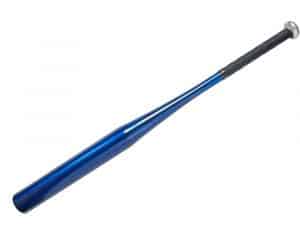
Wood Vs Aluminum Baseball Bats: Which Hits Farther?
I’ll get straight to the point before getting into the ups and downsides of each bat. In most everyday conditions, aluminum bats will send the ball farther than wood. A lighter swing weight means faster bat speed, and a bigger sweet spot means more balls come off the barrel hot instead of off the end or in on your hands.
Here’s the part a lot of comparison articles skip: once you’re playing under BBCOR rules (that’s every high school and college game in the U.S.), metal and wood bats are capped at the same trampoline effect, a maximum coefficient of restitution of 0.50. That’s the same standard that regulates how “hot” a metal barrel is allowed to be, and it was written specifically to make BBCOR bats perform like wood. So in regulated play, the distance gap shrinks a lot. It’s mostly in USSSA, USA, and other big-barrel youth or travel-ball bats, where the trampoline effect isn’t capped as tightly, that aluminum and composite bats can noticeably out-hit wood.
You still need to choose the right baseball bat for your league and swing to actually hit the ball farther.
So make sure the bat you buy has the right material, the right length, the correct BBCOR/USSSA/USA certification for your league, and a swing weight you can control.
Now that you know the short answer, let’s break down what each material actually offers at the plate.
What Do Aluminum/ Metal Bats Offer?
Metal bats can mean two different things, alloy (what most people call “aluminum”) or composite. Both hit far, but they do it a little differently. Here’s what a good metal bat can offer you in the batter’s box.
Bigger Sweet Spot
Unlike wooden bats, alloy and composite bats have a bigger sweet spot on the barrel. It still takes practice to find it consistently, but a bigger sweet spot gives you more room for error and increases your chances of squaring up the ball for a hard-hit exit velocity.
Highly Durable
Metal bats are extremely durable and hold up well against hard pitches. There’s much less risk of the bat cracking or shattering mid-game the way wood can. The barrel doesn’t chip off, so you can keep using the same bat for a full season without babying it.
Ready to Use
Wooden bats need to be broken in, but that’s not the case with a metal bat. Alloy and composite bats come ready to swing straight out of the wrapper, so you can start playing right away with one of the best metal bats for baseball.

Less Sting Is There
Most two-piece metal bats absorb vibration at the connection point between the handle and barrel, which means a lot less sting when you’re jammed. Some brands take it further with a three-piece design for even better vibration dampening. If you want the full rundown on how the construction changes the feel, I go deeper in my one-piece vs. two-piece baseball bats guide and my alloy vs. composite baseball bats comparison.
Metal bats are great for hitting the ball hard and far. They’re available in a range of constructions, with alloy (aluminum) bats being the most popular for durability and composite bats popular for a lighter swing feel. Stick with a bat from a renowned brand so you get a real sweet spot and consistent performance, not an imitation.
What Do Wooden Baseball Bats Offer?
Loved by pro players, wooden bats are lighter through the barrel in a different way and offer a great sense of balance. They also transfer natural power straight to the baseball while engaging more of your muscles through the swing. Here’s what to expect with a wood bat.
Better Balance
The best wooden baseball bats offer a level of balance you won’t always find in a metal bat. These bats are sturdy end to end, which gives you more control over the drive and swing path.
Helps You Engage More Muscles
Wooden bats are usually heftier than aluminum bats, so a player has to engage more muscle to generate the same bat speed, which is actually an advantage for developing hitters. The harder those muscles work, the better you learn to transfer power into the baseball.
More Natural Power
The pop and density of a good wooden bat is hard to match, and you won’t get quite the same feel from a metal barrel. A solid, centered hit with a quality wooden bat can produce an impact close to a metal bat and still help you hit the ball with more power.
Better Feedback

Because wooden bats punish mis-hits more than metal does, you get more honest feedback on your swing. It can take some time to lock in on the sweet spot, but once you find it consistently, you’ll start putting together some great at-bats.
When you hit the ball off the sweet spot with a wood bat, you’ll feel it sting your hands, and that feedback loop is exactly what makes you a sharper hitter over time.
Amazing Barrel Awareness
Every baseball player should understand the concept of the sweet spot when swinging a wooden bat. Finding it is a lot less forgiving than it is with metal bats, and that’s exactly the point.
So beginners should spend real time with wooden bats and learn the art of finding the perfect hitting spot on the barrel.
There are plenty of great brands, Louisville Slugger among them, that make excellent wooden bats. If you want a full rundown of current options, check out my best wood baseball bats guide.
If you’re considering a wood bat, make sure to look closely at the wood species (ash, maple, or birch), weight, length, and barrel diameter.
Frequently Asked Questions:
Does a baseball go farther with a wooden or metal bat?
In games governed by BBCOR (every U.S. high school and college level), wood and metal bats are capped at the same maximum trampoline effect, so distance is close between the two. Outside those rules, in USSSA, USA, and other big-barrel youth or travel-ball leagues, a metal bat’s lighter swing weight and bigger sweet spot usually let you hit the ball farther, especially while you’re still building bat speed and strength.
Why does an aluminum bat hit farther?
The biggest reasons are barrel size and weight. Aluminum and composite bats are hollow, so they’re lighter than wood, which lets you swing faster. They also have a larger sweet spot, so more of your swings make solid contact. Just know that in BBCOR-certified play, the ball’s exit speed off a metal bat is regulated to match wood bat performance, so the advantage is smaller than it looks on paper.
How do you make a bat hit farther?
Hitting the ball farther starts with a good baseball bat that’s the right length and weight for your swing. The bat should offer a solid grip so you can hold it properly and transfer maximum energy into the ball. If you’re using a wooden bat, make sure to use the best pine tar for baseball bats and improve the bat’s grip.
Do aluminum bats lose their pop?
Yes. Aluminum bats can develop tiny dents and imperfections in the barrel over time, and that causes the bat to lose its pop. Composite bats can lose pop too if they’re used in cold weather before they’re broken in. Take care of your bat, store it properly, and it’ll hold its performance a lot longer.
Final Thoughts
Wood and metal bats are both fabulous for hitting the ball farther, and which one wins comes down to your league rules, your swing, and your preference.
I’d recommend using a wood bat during practice sessions since it helps you understand the anatomy of the sweet spot, and you’ll quickly learn to find the right spot on the barrel.
Metal bats are excellent for league games, since they widen your margin for error and, where the rules allow it, help you hit the baseball farther.

With 4 years of Division II experience, a .272 career batting average, .410 on-base percentage, and 7 home runs, I’m now in my fifth season. I’ve played baseball since age 3, alongside future MLB Draft picks, and I aim to pursue a career in baseball professionally, be it playing, coaching, or scouting.