
The Easton Ghost is one of the finest fastpitch softball bats out there, and I hear this question all the time from parents and players alike. Depending on your play level, a Ghost bat might genuinely be illegal to swing. Confused? That’s fair. Let me break it down so you walk away knowing exactly what to check before your next game.
Are Ghost Softball Bats Illegal?
Softball bat regulations can get confusing fast. Between certification stamps like USSSA, USA Softball (formerly ASA), NSA, ISA, and WBSC, things feel overwhelming for a rookie player. I get it. You just want a bat you can use in your next game without a lecture from an umpire.
Here’s the short version: no Ghost softball bat is illegal everywhere. But a specific Ghost bat can absolutely be illegal for your specific league, and if the officials catch it, they won’t go easy on you. Most rulebooks call for an out on the batter plus an ejection for both the batter and the coach who sent them up with the bat.

For example, if a bat carries the USSSA stamp, you’re good to go for USSSA travel ball and rec leagues. For high school games, your bat needs to carry a mark recognized by USA Softball (the organization that used to be called ASA before it rebranded in 2017), and it also has to be absent from USA Softball’s non-approved bat list. That last part trips a lot of players up, because a bat can carry the right stamp and still be banned if it later gets pulled from the approved list.
If you’re eyeing an Easton Ghost for your next investment, you made a solid choice. It’s just a bat family with a bit more nuance than most, because Easton has sold Ghost bats in different certification setups over the years. Some older models were certified for only one governing body. The newer Ghost Advanced and Ghost Unlimited bats are a different story, and I’ll get into that below.
By the time you finish this article, you’ll know exactly how to check whether your Ghost bat is legal for your level of play, without having to guess.
What is the Ghost Softball Bat?
Before I get into the regulations, let me back up and talk about the bat itself. The Easton Ghost is a top-tier fastpitch softball bat line that’s extremely popular among newcomers and veterans alike.
It’s mostly preferred by power hitters for its massive on-demand pop, but plenty of contact hitters swing it too. The core Ghost design is a two-piece, double-barrel composite bat, which is why it hits the way it does and why it’s held up as one of the better bang-for-your-buck investments in fastpitch.
Here’s where the confusion usually starts. Older Ghost bats (think the 2018 and 2019 model years) were sold in separate certification variants. One version carried a USSSA thumbprint only. The other carried the ASA stamp only, which is the mark that today reads USA Softball. Neither variant was certified for both associations, which is exactly why so many players got caught using the wrong one.
Why is the Ghost Bat Illegal in Softball?
Here’s the thing, the Ghost softball bat is not illegal in softball, full stop. What’s illegal is using the wrong Ghost for the wrong league. If your bat carries only the USSSA stamp, you can use it in USSSA games without any trouble. But you cannot use that same bat for high school or college softball.
Flip it around, and the same logic applies. If your bat carries only the USA Softball (ASA) certification, you should be fine in high school and USA Softball-sanctioned competitive play. But show up to a USSSA tournament with it, and the official can pull you from the lineup.
What Ghost Softball Bats are Illegal?
The only reliable way to know whether your Ghost bat is legal for your level of play is to check the certification stamp itself, which is usually printed near the end of the barrel, close to where it meets the handle. If it carries a USA Softball, ASA 2000, or ASA 2004 mark, it should be good for high school ball, as long as it isn’t also sitting on USA Softball’s non-approved bat list. If the only stamp you see is USSSA, it’s illegal for high school and college play, no matter how new or expensive it is.
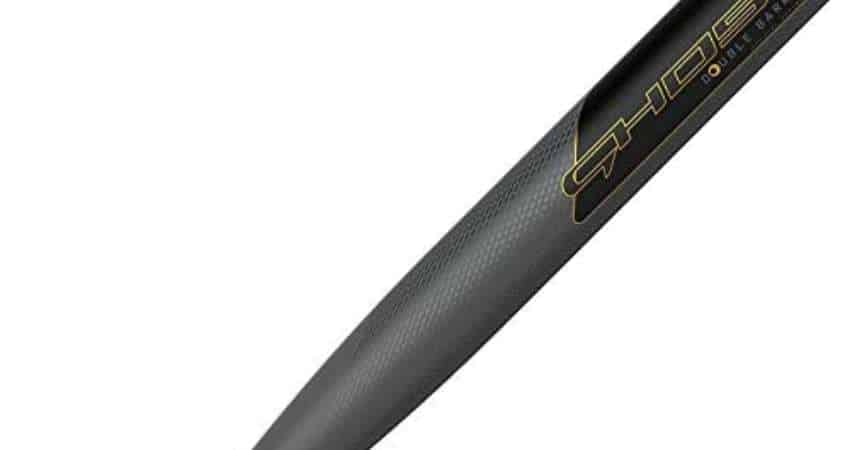
I want to flag something here instead of guessing at it: colorways change every model year, and Easton has reused and retired plenty of paint jobs across the Ghost lineup. I’m not going to tell you “this specific color means USSSA” or “that specific color means USA Softball,” because that’s simply not a safe way to verify legality anymore, especially with how often Easton refreshes the Ghost family. Always check the actual printed certification mark on the barrel, and cross-reference it against your league’s current approved bat list before you step into the box. If you’re ever unsure, your league’s website or a quick photo sent to your tournament director will save you the ejection.
Are Today’s Ghost Bats Dual-Certified?
Yes, and this is the biggest change since I first wrote about this bat. Easton no longer splits the current Ghost Advanced and Ghost Unlimited lines into separate single-certification versions. The bats on the market right now are dual, and in most cases multi, stamped in a single bat, carrying approval across USA Softball, USSSA (fastpitch only), NSA, ISA, and WBSC at once.
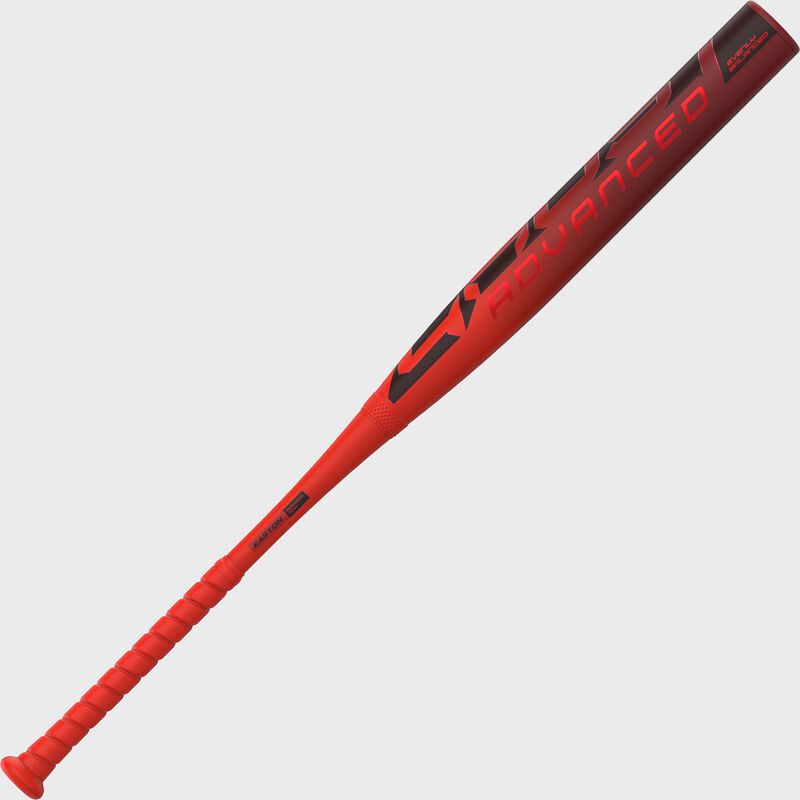
That’s genuinely good news if you’re shopping for a new bat, because it removes the guesswork that used to trip people up with the older Ghost variants. That said, don’t take “dual stamp” for granted on every used or older bat you come across. If you’re buying secondhand, or you already own an older Ghost, always check the actual stamp on your specific bat rather than assuming it matches what’s sold today.
Is the Easton Ghost Advanced Bat Illegal?
Generally, no. Today’s Easton Ghost Advanced is one of the go-to bats I recommend for power hitters precisely because it comes dual-stamped for USA Softball and USSSA play, on top of NSA, ISA, and WBSC approval. It builds on the original Ghost with a similar double-barrel design, but the inner barrel is lighter, which gives you better compression on contact and a bigger sweet spot to work with.
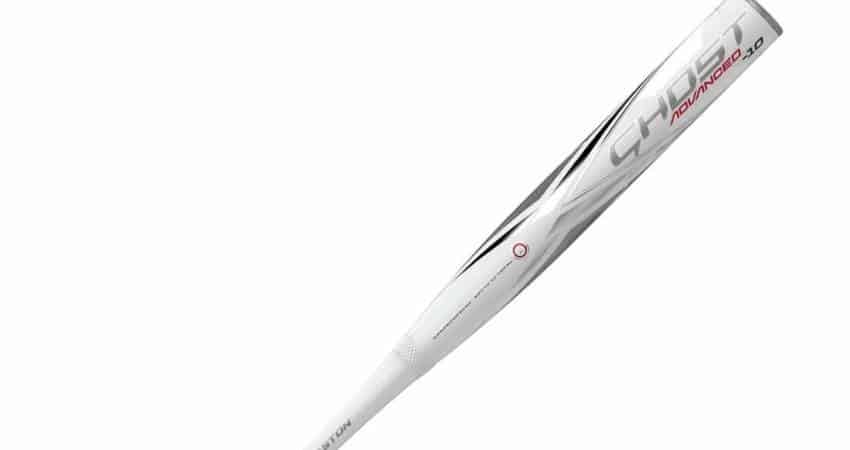
The one caveat I’ll always come back to: certifications on any bat, Ghost Advanced included, can change from one model year to the next, and individual local leagues sometimes layer on their own extra rules. So before you drop money on one, or before you walk up to the plate with one you already own, check the stamp on your exact bat and confirm it against your league’s current approved bat list.
One more thing worth clearing up while I’m at it. Easton also sells a bat called the Ghost X, and that’s a baseball bat, not a softball bat. A specific Ghost X baseball model did run into approval issues with USA Baseball a few years back. That situation has nothing to do with the fastpitch softball Ghost family covered in this article, so don’t let one get confused for the other when you’re searching around.
Now That We’re Here
Picking out a softball bat is tough enough on its own with so many things to weigh. Add certifications and stamps into the mix, and it can feel like a lot more work than it should be.
Still, if you don’t want to run into trouble with the officials, always check the certification stamp on the bat itself before every season and every new tournament. I’ll also point you to my article on USSSA vs ASA (USA Softball) bats for a deeper breakdown of what those certifications actually test for, and my guide to what softball bats are illegal if you want the bigger picture beyond just the Ghost line. If you’re still shopping and want to see how the current dual-stamped Ghost Advanced stacks up against other composite options, my roundup of the best composite softball bats is a good next stop.
I hope this cleared up which Easton Ghost bats are legal for your level of play. Check the stamp, check your league’s list, and you shouldn’t have any trouble picking out the right one for your games.

With 4 years of Division II experience, a .272 career batting average, .410 on-base percentage, and 7 home runs, I’m now in my fifth season. I’ve played baseball since age 3, alongside future MLB Draft picks, and I aim to pursue a career in baseball professionally, be it playing, coaching, or scouting.