
The first baseball glove I remember using came from my dad. It was a Christmas gift, and naturally, he didn’t go all in on an expensive glove since he had no way of knowing whether I’d take the game seriously or not. It was a no-name, 25-dollar synthetic leather glove, but hey, I was happy with it.
I was too young to notice any difference between a cheap and an expensive glove back then. Later on, when I got my hands on a proper Wilson glove, I realized how big of a difference it made. The grip, the control, and the overall feel of the expensive glove were a thousandfold better than the cheap one.
And honestly, baseball gloves aren’t expensive for no reason. Yes, the brand name hikes up the price a bit. But the leather grade and the different technologies that go into building the glove are the real reason an expensive glove is priced that way.
That’s the short answer, and don’t worry, I won’t leave it there. In this article, I’ll walk you through exactly how a cheap baseball glove differs from an expensive one so you can decide whether going cheap is worth it for you.
Differences Between Cheap and Expensive Baseball Gloves
This quick chart will give you a general idea of what’s coming. But keep reading if you want the nuanced differences.

| Differences | Cheap Gloves | Expensive Gloves |
| Material Quality | Synthetic Leather, Entry-Level Full-Grain Leather | Premium Full-Grain, Steerhide, or Kip Leather |
| Construction | Machine-Stitched, Minimal Factory Break-In | Reinforced or Hand-Stitched, 40-90% Factory Break-In |
| Durability | 6 months – 1 year | 2 seasons or more |
| Break-in Period | Low | Moderate – High |
| Overall Feel (After break-in) | Not very comfortable | Soft and comfortable |
| Price Range | $20 – $70 | $70 and up |
· Material Quality
Like I said, high-end baseball gloves cost more because of the leather grade used in their construction. Synthetic leather is an affordable material and works fine for a baseball glove, but its quality isn’t on the same level as something like steerhide.

Full-grain leather sits in the middle ground here. It isn’t exactly expensive, and if it’s treated properly, it can give you a lot more performance than a synthetic leather glove. So if you’re shopping for a cheap baseball glove that still holds up, I’d recommend looking for one made of full-grain leather. If you want the full rundown on how the two materials actually perform against each other, I broke it down in my synthetic vs leather baseball gloves comparison.
· Durability
When you invest in a high-end glove, you’re getting a full season of use even if you’re extremely reckless with it. I’d always recommend taking care of your baseball gloves regardless, but even if you don’t, an expensive glove should serve you well for a couple of seasons at least.
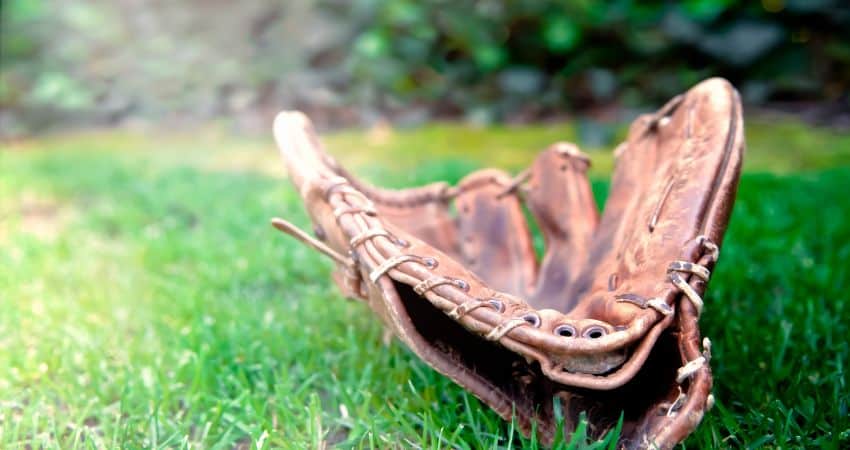
Image Source: gettyimages.com
You can’t say the same for cheap gloves, though. Even when you’re careful with how you handle them, cheap gloves start to wear out after six months. If you’re lucky, you might be able to make the glove last a full year, but after that, you’ll start noticing cracks and weird stiffness.
· Break-in Period
One upside of going with a cheap baseball glove is that, in most cases, it comes game-ready right out of the box. Cheap leather doesn’t have the stiffness you’ll find in real leather, so you don’t need to spend any time loosening it up.

With expensive gloves, the break-in process is sort of a rite of passage. It can take anywhere from a couple of days to two weeks or more, depending on the leather grade. Synthetic leather gloves, on the other hand, you can start using the moment you get your hands on them.
· Overall Feel
No matter how well-made a cheap baseball glove is, it’s still made of cheap materials. And because of that, it doesn’t feel as good on your hand as a genuine premium-grade leather glove.
For a casual player using the glove only on weekends, the difference might not even be noticeable. But once you get a proper taste of what a high-quality baseball glove feels like, you’ll have a hard time switching back to a cheap one. They just don’t feel right in your hand.
Why Are Baseball Gloves So Expensive?
I’m sure you’ve noticed how some high-end baseball gloves can run you well over 300 dollars, sometimes closer to 400 or 500, while plenty of gloves at your local sporting goods store barely cross the 50-dollar mark. What’s behind that gap?

Baseball gloves, though they look simple, are designed with a lot of thought. Everything from the leather choice to the amount of padding the manufacturer builds in is done according to a plan. And all of that contributes to the final price tag.
Let me walk you through some of the key reasons behind why baseball gloves get expensive.
1. Material Choice
The biggest contributor to a baseball glove’s price is the leather used to make it. Most baseball gloves out there, even the cheap ones, are usually made of some kind of leather. But there are many grades of leather, and the price swings drastically depending on rarity and processing.
Some gloves use low-grade leather that feels decent out of the box but doesn’t survive as long as high-quality leather. Here’s a quick rundown of the common leathers used to make baseball gloves so you understand them better.
· Synthetic Leather
For affordable baseball gloves, manufacturers typically go with synthetic leather to keep the cost low. As the name suggests, it’s not real leather but a synthetic polymer designed to replicate the feel and resilience of genuine leather. It does the job well enough for casual players, but serious players usually skip it.

The main drawback of synthetic versus leather is that it’s not as durable. If you use this type of glove for competitive games, you’d be lucky to make it last more than six months between your drills and matches. But if you’re a casual player who only pulls it out occasionally, it should be fine.
· Full-Grain Leather
While full-grain leather is technically real leather, gloves made with it still manage to stay in the affordable range. That’s why most manufacturers use this material for their entry-level baseball gloves for youth players.

A full-grain leather baseball glove usually runs somewhere between 60 and 150 dollars. There are certainly some pricier full-grain gloves out there pushing closer to 200 dollars, but that’s more the exception than the rule.
· Steerhide Leather
Steerhide leather gives you the first real taste of what a truly premium, high-end baseball glove feels like. Steerhide gloves get pricy fast, typically landing somewhere in the 200 to 350 dollar range. But frankly, the quality of these gloves earns its price tag.

Since the leather is stiff when you first take it out of the box, gloves made of this material need a bit of breaking in. But once you break it in properly, the leather becomes extremely soft and comfortable. Most MLB pros use steerhide leather gloves for their competitive games. If you’re trying to decide between this and the next tier up, I compared the two head to head in my kip vs steerhide baseball glove breakdown.
· Kip Skin Leather
At the top of the chain in glove materials, you get kip skin leather. This material is even more expensive than steerhide, but it isn’t used nearly as commonly.

Typically, kip leather shows up in custom gloves built for a specific player. Japanese kip tends to sit at the very top of the price ladder. If you want to place an order for one, be prepared to pay north of 300 dollars, and top-shelf Japanese kip gloves can run several hundred dollars more than that.
Quality-wise, it’s softer and lighter than steerhide and also needs less breaking in. And if you take care of your kip leather baseball glove, it’ll easily last you more than five seasons.
2. Construction and Craftsmanship
Leather grade isn’t the only thing driving the price. How the glove is actually put together matters too. Cheap gloves are almost always machine-stitched from start to finish, which keeps manufacturing costs down but doesn’t hold up quite as well over time.
Higher-end gloves usually get more reinforced stitching around the pocket and web, and a handful of brands, Nokona being the best example, still hand-craft a large share of their lineup in-house rather than outsourcing production. That kind of labor-intensive process adds to the cost, but it also shows up in how long the glove holds its shape.
You’ll also notice premium gloves advertised with a factory break-in percentage, anywhere from around 40 percent to 90 percent broken in right out of the box. That’s a manufacturing step that cheap gloves skip entirely, since there’s no stiff, heavy-duty leather to soften up in the first place.
3. Size and Age Group
Baseball glove manufacturers typically classify their gloves into two categories, youth and adult baseball gloves. And in most cases, a youth glove costs a lot less than its comparable adult version.
There are a couple of reasons behind that. Youth gloves are smaller, so less material goes into making them. Manufacturers also trim some corners to keep the price down so youth players can afford them more easily.
On the other hand, glove manufacturers tend to go all out with adult gloves, both in material quality and features. And naturally, that pushes the price up a bit.
4. Brand Value
If you keep up with the top baseball gear hitting the shelves, you’ve probably noticed how a handful of big brand names keep coming up. And naturally, if you’re going with a big brand, your glove is going to cost a bit extra.
Big brands spend a lot on marketing and promotion, and to make up for it, they charge more for their equipment. Despite that, going with a well-known brand like Rawlings or Wilson is still a good idea, because the quality of their gloves is top-notch.
The good news is that the big baseball glove brands also manufacture gloves in the affordable range, which gives you a taste of what they have to offer without the full price tag.
Is it Worth Buying an Expensive Baseball Glove?
Well, it depends. If you’re a serious player who wants to hone your skills and lock down a spot on the team, I’d say it’s worth investing in your baseball glove. But if you only play on weekends with a group of friends, a cheap synthetic leather glove should be fine.
One piece of advice if you do get an expensive glove: make sure you take care of the baseball glove and store it properly. That way, you’ll be able to make it last a couple of seasons easily. The problem with cheap gloves is that you’ll eventually have to replace them after a year.
How Much Should You Spend on a Baseball Glove?
Again, it all depends on what kind of player you are. Baseball gloves come in a wide range of prices. You can pick one up for 50 dollars if you want, or if you have the budget, you can go as high as 450 to 500 dollars for a premium model.
If you’re playing casually, I wouldn’t recommend spending more than a hundred bucks on your new glove. You can find some nice full-grain leather gloves at that price, and that should serve you well for a season or two.

For competitive baseball, though, if you can afford to spend more, spend more. There’s not much argument there. Just make sure the glove fits your hand right and has the right webbing for your position. To learn more about different types of glove webbing, check out my article on it.
Let’s Recap
Getting a new baseball glove is always exciting. But going over your budget can lead to buyer’s regret, and that never feels good. So make sure you think it through before you set your budget for your new glove.
The price of a baseball glove reflects its quality. And the truth is, you can’t expect a cheap glove to perform on the same level as an expensive one. The overall feel, performance, and durability of an expensive glove will almost always beat what you get with an affordable one.
I hope this comparison between cheap vs expensive baseball gloves helped you understand the differences between them. Cheers!

With 4 years of Division II experience, a .272 career batting average, .410 on-base percentage, and 7 home runs, I’m now in my fifth season. I’ve played baseball since age 3, alongside future MLB Draft picks, and I aim to pursue a career in baseball professionally, be it playing, coaching, or scouting.