
Very few pieces of equipment are as personal to a baseball player as their glove. As odd as it may sound, most players will tell you their glove feels like an extension of their hand. If you’re dedicated to the sport, I bet you know exactly what I mean.
But regardless of how much you love your glove or how much you spent on it, it will need replacing eventually. There’s no stamped expiration date on a baseball glove. As a rough baseline, though, any decent glove should hold up for at least one full season of regular use, and a well cared for leather glove can often go several seasons beyond that.
Here, I’ll talk about how long you can realistically expect your baseball glove to last, and I’ll walk through the signs that tell you it’s finally time to replace it.
How Long Should a Baseball Glove Last?
Since there’s no actual expiration date on a baseball glove, there’s no single answer for how long it will last. Even a top-tier glove can start wearing out within a few months if you got unlucky with the leather or didn’t take care of it the way you should have.
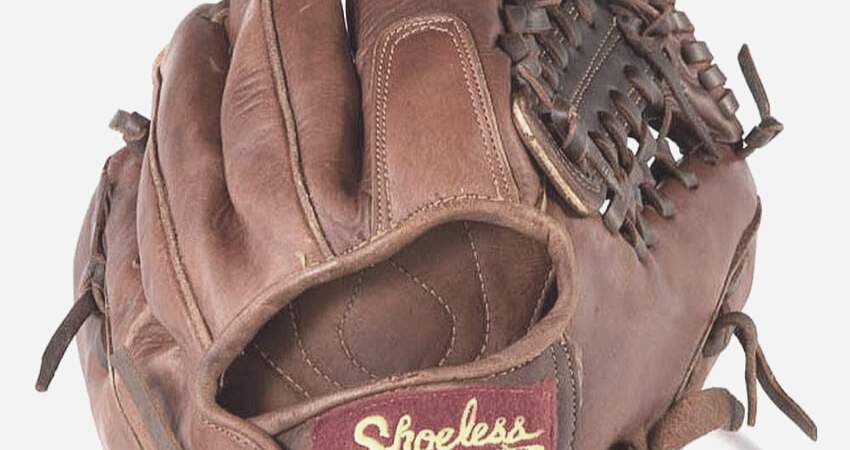
On the other hand, if you take care of your glove and condition it from time to time, even a budget model should hold up for a good while. That said, any baseball glove you buy should give you at least one season of use before you have to think seriously about a replacement. Some well maintained leather gloves stay game-ready for years, though results vary a lot depending on how often you play and how well you look after it.
The material of the glove is the biggest factor in overall durability. If you buy a glove made from high-quality leather like Kip or Steerhide, it should last you more than a season, but only if you take good care of it and store it properly after each game. If you’re weighing leather against a synthetic glove instead, know that synthetic materials trade some of that long-term durability for a lighter feel and zero break-in time.
How Long Should You Use a Baseball Glove?
It’s a pretty simple question, and the answer is equally simple: as long as you reasonably can. You see, baseball gloves need a lot of care and attention from the player. Before you can use your new glove, you need to break it in and condition it regularly to keep it game-ready.
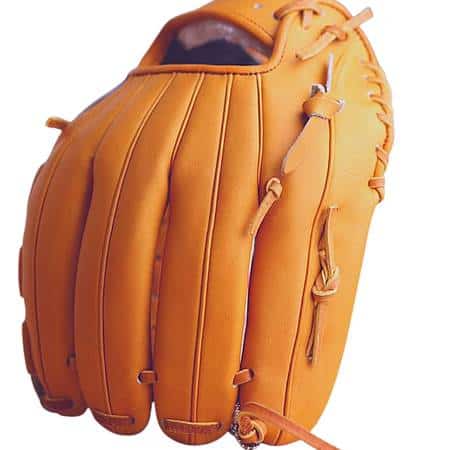
So even setting aside the price tag, the amount of attention a glove demands leaves its mark. Most players I’ve talked with, myself included, say they feel a real personal connection with their glove. So naturally, they try to squeeze as much use out of it as possible before even thinking about a replacement.
But as tough as it may be, at some point there’s no way around it. Once a glove crosses a certain threshold, there’s no coming back from it. The best thing you can do at that point is stow it away in a locker as a memento and start fresh with another glove.
How Do I Know if My Baseball Glove is Worn Out?
Thankfully, there are some telltale signs that show when your baseball glove is worn out beyond practical use. If you notice any of these, it’s probably a good idea to start looking for an alternative. You might still get a few more games out of it, but beyond that, you’d be pushing your luck.
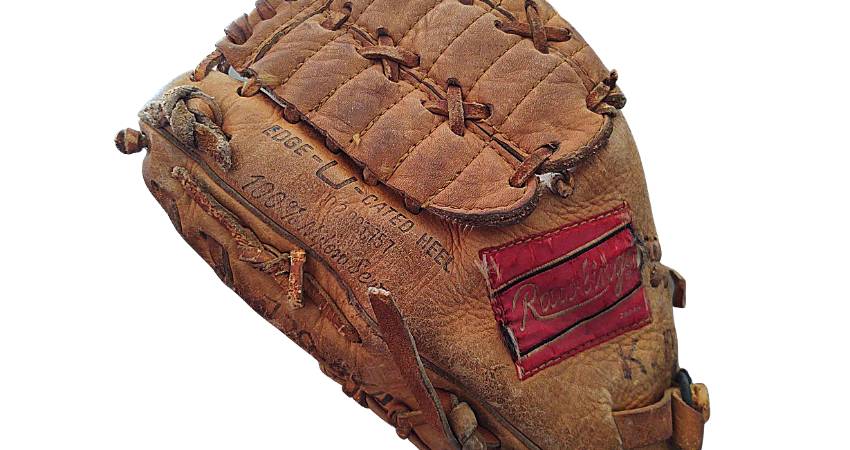
With that said, here are some of the signs you’ll notice if your baseball glove is worn out.
· Ripped surface
If you notice a tear anywhere on the surface of the glove, that’s usually a sign you need to replace it soon. You might be tempted to stitch up the tear and call it a day, and the funny thing is, it might even hold up for a while. Until it doesn’t.
A small rip on the surface might not seem like a huge deal, but it can affect the overall quality of the glove pretty quickly. Over time, the rip will spread and start impacting your game performance. The last thing you want is for your glove to rip completely in the middle of a game.
· Cracks in the leather
Baseball gloves are typically built to last quite a while, but a small crack in the leather is often all it takes to send one on a downward spiral. Even if your glove has no rips or holes, a simple crack in the leather can mean you should start thinking about a replacement soon.
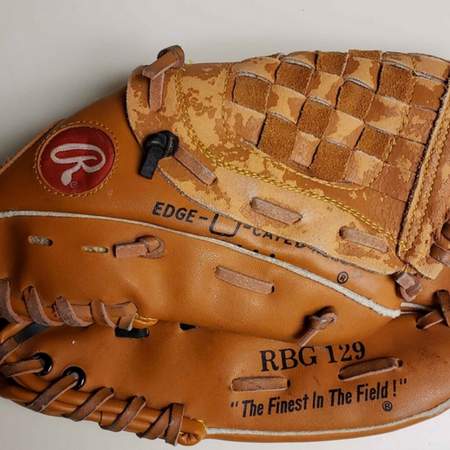
Cracks have a tendency to spread pretty quickly, and that small line you see in your glove can expand fast. It will only get worse from here, and there’s really no good reason to keep playing with a glove that has cracked leather. Replacing it is almost always the better call.
· Non-existent padding
The level and quality of padding in your glove can vary depending on the glove itself or the position it’s meant for. For example, a catcher’s mitt will almost always feature heavier padding than an infielder’s glove.
But that’s not really the point here. As you keep catching baseballs with your glove, the layer of padding inside the leather starts wearing thin. Toward the end of its lifespan, the padding can feel almost non-existent. If you keep using it past that point, you risk hurting your hand. So at that stage, replacing it is really the only sensible option.
· Damaged form
When you buy a new baseball glove, it should feel stiff. But as you play with it over time, it molds comfortably to the shape of your hand. This is what people mean when they talk about “breaking in a baseball glove.”
One of the main signs that your glove is worn out is when that shape starts to break down. It won’t feel as good in your hands as it did before, which naturally affects your game performance. And if your performance starts slipping because of the glove itself, it’s best to get it replaced sooner rather than later.
· Heavier weight
Although it’s rare, sometimes gloves start to feel a lot heavier than they did when you first bought them. At some point it can feel like you’re holding a dumbbell instead of a glove. If that’s happening to yours, it’s a pretty clear sign your glove needs replacing.
Typically, this happens when a glove gets wet frequently and doesn’t fully dry out between uses. Overusing leather oil or conditioner can also lead to a heavier glove over time. Whatever the cause, at that point it’s usually better to replace the glove, since there’s no easy fix for a leather glove that’s soaked up too much moisture or product.
How Often Do Baseball Players Change Gloves? (Pros)
Considering how easy it is for professional players to get new gloves through sponsorships, you might assume they swap gloves every season. In reality, most pros hang onto a glove for as long as it holds up, and from what players and glove techs describe, that’s usually somewhere in the two to five season range, though it varies a lot by position.
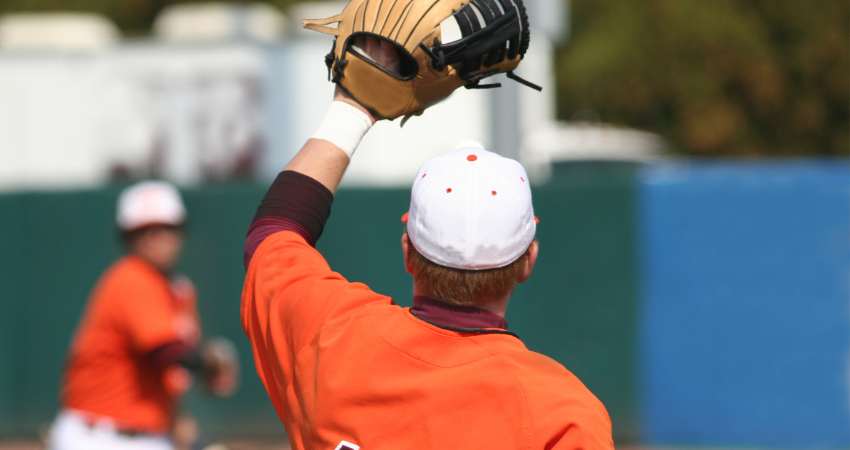
Infielders tend to cycle through gloves faster than outfielders, simply because they’re handling the ball more often and putting more repeated stress on the pocket and webbing. Outfielders, who see fewer balls per game, can often stretch a single glove across several seasons.
The bigger rule of thumb, though, is this: don’t change your glove unless you have to. If your glove feels comfortable and shows no signs of damage, there’s no reason to swap it out. Even pros have to break in a new glove, and once their hand gets used to it, most don’t want to go through that whole process again unless the old one is truly done.
When Should I Replace My Baseball Glove?
Nobody likes the thought of replacing their glove. But once its time is up, you really don’t have much of a choice. Here are a few signs that it’s time to start thinking about replacing your old baseball glove.
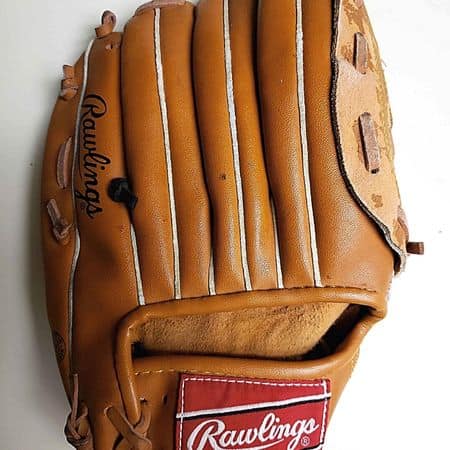
- If the glove doesn’t feel as comfortable in your hand as it used to, or if it feels heavier than usual, that’s a clear sign you should replace your baseball glove.
- If you notice a decline in your performance with the glove, for example, failing to catch easy line drives or ground balls, or if your hand hurts when you try to scoop the ball off the ground, it’s time to replace it.
- If you’re consistently having trouble transferring the ball to your throwing hand after catching it, that’s often a sign the glove itself is working against you, whether that’s a stiff pocket, a heel that won’t close properly, or laces that have loosened up over time.
- At an amateur level, like high school or youth baseball, you can usually get away with using one glove for different positions. But if you’re switching between infield and outfield in high-stakes competitive baseball, it’s best to use a glove that’s built for that specific position.
How Do I Make My Baseball Glove Last Longer?
Unless you’re literally swimming in money, you should aim to make your glove last as long as possible. A new glove means starting a whole new cycle of breaking it in and getting used to it, and you can’t skip that just because you didn’t set aside time for maintenance.
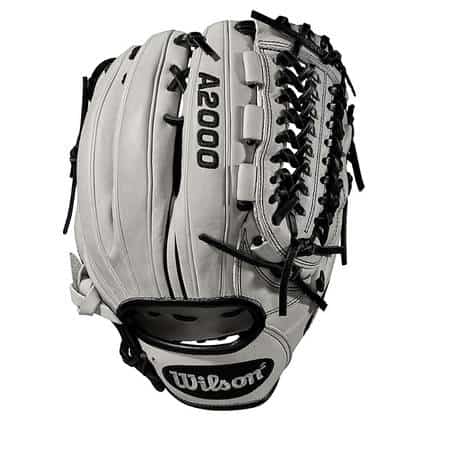
Here are a few tips to help you get the most use out of your baseball glove.
- Keep your glove clean before you store it. That means any time you come back from practice or a game, take a minute to clean the dust and debris off it with a small brush or a rag.
- When storing your baseball glove, keep a ball in the glove’s pocket. This helps the glove retain its shape. You can also pick up a Glove Care Kit that comes with shaping balls made for this exact purpose.
- When a baseball glove sees frequent use, it can start to feel dry. At the first sign of dryness, rub a bit of conditioner into the leather. Don’t go overboard with it, though. Use a small amount and spread it evenly over the entire surface. If you’re out of dedicated conditioner, there are a few glove oil alternatives that can hold you over in a pinch.
- If a baseball glove gets wet, maybe from a game in the rain, make sure you cover the entire surface with a glove-approved leather conditioner once it’s dry. That way, the conditioner fills in the space the water leaves behind as it evaporates.
- Make sure you store your glove in a climate-controlled space. Tossing it in the trunk of your car or in the garage is a strict no-no. Personally, I keep mine in a locker with a small dehumidifier to control the moisture.
- When you’re stowing your glove away for a long stretch, like during the off-season, take it out of the locker every week or two and play a little catch with it. This shakes off any dust that builds up over time and keeps the leather from stiffening up.
Now That We’re Here
Baseball gloves, as well made as they are these days, don’t last forever, nor are they meant to. While it may hurt to say goodbye to the glove that got you through a tough season, it’s inevitable. And once its time is up, there’s no point trying to squeeze one more season out of it.
Minor scuffs and scratches on your baseball glove can be repaired, and a torn lace doesn’t mean the end. But once a glove is past a certain threshold, no amount of conditioner or relacing will bring it back. At that point, the best thing you can do is find a new glove that gives you the same level of performance.
Now that you know roughly how long a baseball glove tends to last, you can plan your next purchase, watch for the warning signs, and start saving up before your current glove is fully done. Cheers!

With 4 years of Division II experience, a .272 career batting average, .410 on-base percentage, and 7 home runs, I’m now in my fifth season. I’ve played baseball since age 3, alongside future MLB Draft picks, and I aim to pursue a career in baseball professionally, be it playing, coaching, or scouting.