
Precision, speed, and technique – these are the three pillars of being a great hitter in baseball. Achieving perfection in the art of hitting requires patience and hard work. Before you can unleash your fullest potential on the plate, you need to spend countless hours in the batting cage honing your craft.
Now, your skill and hitting power are definitely important, but you know what’s even more important – your grip.
Over the years, hitters have come up with different tricks and techniques to improve their grip on the bat. Adhesive grip strips, batting gloves, and a handful of other accessories can help improve a player’s hold. And you know what else helps improve your grip? Pine tar.
MLB hitters regularly rub pine tar onto the handle of their bat before they step into the box. But what exactly is pine tar, and what does it actually do to a baseball bat? Should you use it on your own bat, and are there any rules you need to worry about?
These are all fair questions, and if you’re new to the sport, it’s natural not to have all the answers yet. That’s where I come in.
In this article, I’ll give you a complete rundown of pine tar, what it does to a baseball bat’s grip, the MLB rule that governs how much you can use, and everything else you need to know before you reach for a can yourself. Let’s get into it.
What is Pine Tar on a Baseball Bat?
First thing’s first – what even is pine tar, and what does it have to do with baseball bats?
Pine tar is, as the name suggests, extracted from pine wood through slow heating and distillation. Once it’s cooked down, you’re left with a dark, thick liquid with a distinct, smoky smell. It’s an extremely versatile substance used across all sorts of industries.

In the rubber industry, it’s used as a softening solvent. It’s also used as a wood preservative and to manufacture waterproof rope. Some specialty paints use pine tar as a preservative, and even a few skin ointments contain it as a key ingredient.
In baseball, pine tar is used almost entirely for one job: grip. Its tacky texture sticks to a hitter’s palms the same way it sticks to anything else it touches, and that grip holds up even once your hands start sweating. Pine tar is water-resistant, so sweat and moisture don’t wash away its stickiness the way they would with a dry bat handle.
What Does Pine Tar Do to a Baseball Bat? Why Do Baseball Players Put it on their Bats?
Coating a bat handle with pine tar isn’t some new trend. Almost every MLB hitter does it, and they don’t do it on a whim. It offers a handful of real, tangible benefits, and at the professional level, every bit of advantage counts.
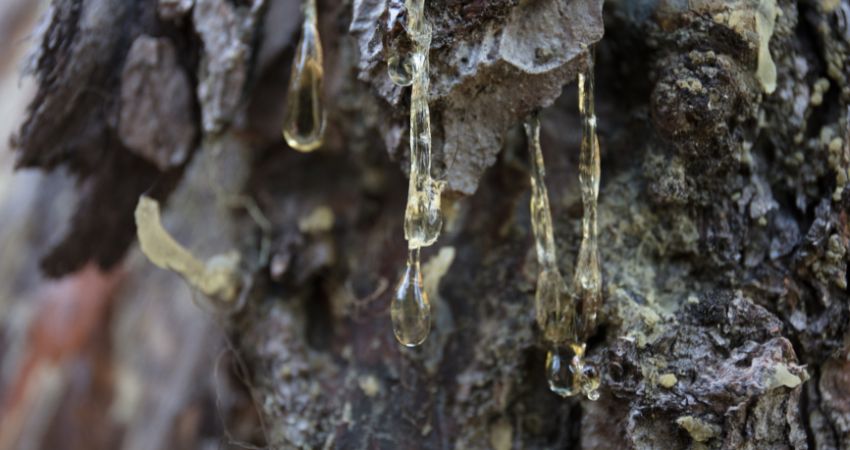
Here are a few reasons why baseball players put pine tar on their bats.
· Improves Bat Control:
The main reason pros use pine tar on the handle is to lock in their grip. A more secure hold gives the hitter better control over swing speed, bat path, and accuracy.
Hitters are constantly adjusting their grip mid-swing, and a buildup of sweat on the palms can throw off that adjustment. The tacky texture of pine tar gives you a more secure hold on the handle so your hands aren’t fighting the bat on top of everything else you’re already tracking.
· Consistency:
Hitting well isn’t easy to begin with. When you’re working alone in the batting cage, you’re not under much pressure. But step into the box with a crowd watching, and keeping your composure gets a lot harder. Your palms start sweating, and holding a solid grip on the bat gets that much tougher.
With pine tar already on the bat, you start with a decent grip baked in. You don’t have to worry about the bat slipping in your hands, so you’re not compensating for a slick handle mid-swing. That makes it a lot easier to repeat the same swing mechanics at-bat after at-bat.
· Reduces Hand Fatigue:
Baseball games are physically demanding no matter what position you play. Games run long, and the grind of a full nine innings can wear on you.
I’m not going to claim pine tar single-handedly prevents hand fatigue. But since you’re not squeezing the handle as hard to keep your grip secure, it does take some of the strain off your hands and forearms over a long game.

· Nullifies Weather Issues:
Baseball gets played in just about every kind of weather. Humidity, drizzle, or a cold, dry night can all mess with your grip on the bat.
A bat coated with pine tar holds its tack in most of those conditions, so you’re not white-knuckling the handle just to keep the bat from twisting in your hands on a humid night.
MLB Regulations on Pine Tar
To keep things fair and stop hitters from taking things too far, MLB regulates exactly how much pine tar can go on a bat. Rule 3.02(c) of the Official Baseball Rules covers the application of pine tar, or any other foreign substance, to the bat handle.
In plain terms, the rule allows a hitter to cover the handle with pine tar or a similar substance as long as it doesn’t extend more than 18 inches up the bat, measured from the knob at the very end.
So if you want to apply pine tar to your own bat’s handle, according to MLB rules, it can’t creep past that 18-inch mark. Umpires check bats before games, and any bat coated with pine tar beyond the limit gets pulled from play, usually with a warning to swap it out rather than a harsher penalty.
It’s worth pointing out that this bat rule is completely separate from the rule that applies to pitchers. Pitchers aren’t allowed to have pine tar on their glove, cap, belt, or skin at any point in the game, full stop, no inch limit involved. If you want the full breakdown of that stricter rule and why it exists, I cover it in my piece on how pine tar helps a pitcher and why it’s banned for them.
The Pine Tar Controversy
Pine tar is used widely across Major League Baseball, but its legality has been debated for decades. Some believe it gives certain hitters an unfair edge, and it’s opened the door to more than one cheating accusation over the years.
There have been several incidents involving pine tar that back up that argument. But no incident is more famous than the one that happened on July 24, 1983.
During a game between the Kansas City Royals and the New York Yankees, Royals third baseman George Brett hit what looked like a go-ahead, two-run home run off Yankees closer Goose Gossage. Brett was already an elite hitter and future Hall of Famer, so the swing itself wasn’t in question.
What was in question was his bat. Yankees manager Billy Martin, who’d apparently been waiting for the right moment, challenged the bat for carrying pine tar well past the 18-inch limit. The umpires measured it against home plate, agreed it was over the line, and called Brett out, wiping the home run off the board. Brett’s reaction from the dugout, sprinting out to argue the call, is one of the most replayed moments in baseball history.
The Royals protested, and American League president Lee MacPhail later overturned the ruling, deciding the rule was meant to prevent an unfair advantage, not to punish a bat that was still perfectly legal for making contact with the ball. The game resumed weeks later from that point, and Kansas City held on to win. That moment is now known as the Pine Tar Incident, and it’s still the go-to reference whenever people argue about how strictly this rule should be enforced. It’s still completely legal to use pine tar on a baseball bat as long as you stay within MLB’s limit.
Alternatives to Pine Tar
If you’re not a fan of pine tar’s mess but still want a better grip on your baseball bat, you’ve got options. Here are four simple alternatives hitters use for extra tack.
· Grip Tape:
The simplest alternative to pine tar is wrapping the handle in grip tape. It has a textured surface, and once it wears down, you just peel it off and put on a fresh wrap. You can even play around with different colors to give your bat a different look.

The downside is that grip tape doesn’t build up the same thickness pine tar does. But it’s easy to replace, and the personalization options make it a solid choice for any hitter who wants more grip without the tar.
· Batting Gloves:
A solid pair of batting gloves might make pine tar unnecessary altogether. Good batting gloves grip the handle well on their own, and they’re built with the hitter’s comfort in mind.
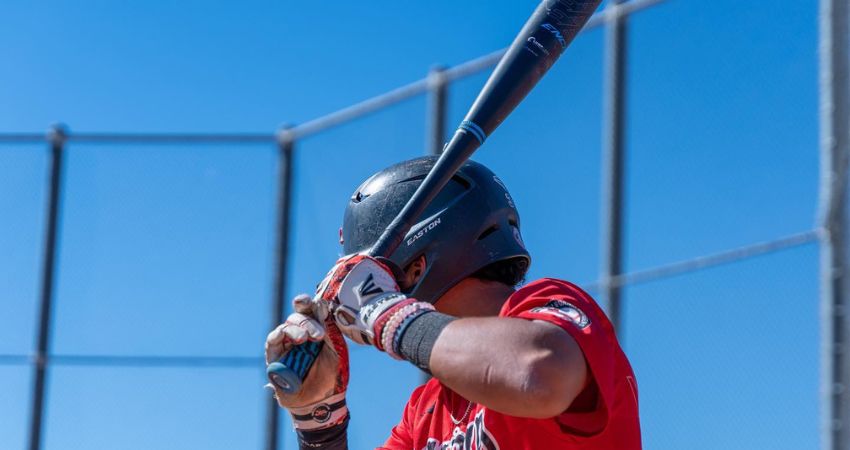
Not everyone likes the restrictive feel of a batting glove, though. If that’s you, one of the other options below is probably a better fit.
· Adhesive Sprays:
Adhesive sprays get you close to pine tar’s tack without the mess of rubbing it in by hand. They’re quick to apply, the coating comes out consistent, and the grip improvement is noticeable.
Some leagues restrict adhesive sprays, though, so check with your organization before you rely on one.
· Adhesive Grip Wraps:
Adhesive grip wraps work a lot like grip tape. You wind them around the handle, and the textured surface gives you a better hold when you swing.
They’re not as durable as tape, though, and since they’re coated in adhesive, peeling them off usually leaves a gooey residue behind.
If you’d rather stick with pine tar itself instead of any of these alternatives, I’ve tested and ranked my picks for the best pine tar for baseball bats, including which ones hold their tack the longest without turning into a gummy mess.
Should I Put Pine Tar on my Baseball Bats
Whether you use pine tar on your bat is entirely up to you. It does improve grip, that’s not in question. But plenty of players just don’t like the feel of it and would rather use adhesive strips or gloves instead.
So it really comes down to preference. If you ask me, a beginner who’s still learning the basics of swinging a bat doesn’t need to worry about pine tar yet. It’s best to learn the fundamentals with a clean, unmodified bat first.
But if you’re playing at a level where every bit of an edge matters, and you find that pine tar gives you more control over your bat speed and accuracy, go for it.
If you don’t like the feel of pine tar, the alternatives above are worth a try. As long as your grip on the handle is secure, you’ll get a good swing and solid contact with your baseball bat either way.
How to Use Pine Tar on a Baseball Bat
If you decide to use pine tar on your baseball bat, it’s worth doing it right. Go overboard, and you risk applying it beyond the legal limit for your league’s games.
Every league has its own guidelines on how much pine tar you can use and where you can use it, so it’s worth checking the rules for your specific organization before you apply any.
When applying pine tar, start with a small amount on the handle. Then use a soft cloth or rag to work it in, creating a thin, even layer around the handle rather than a thick glob in one spot.
As I mentioned above, MLB rules cap the pine tar at 18 inches from the knob. Make sure you don’t go past that line if you’re following MLB standards, and remember that most youth and amateur leagues follow the same 18-inch guideline even if they don’t enforce it as strictly.
Don’t overdo the application, either. Too much pine tar makes the bat feel heavier and harder to control through the swing. A thin coat around the handle is all you need for a good, grippy texture. If you’re shopping for a stick, rag, or spray to start with, my guide to the best pine tar for baseball bats breaks down which ones apply cleanest.
Frequently Asked Questions
By now, you should have a decent idea of what pine tar does to a baseball bat and how it’s used in the game. Before I wrap up, let me address a few questions I get asked often about pine tar on bats.
Do MLB Players Use Pine Tar?
Yes, pine tar is widely used by MLB hitters as a reliable way to improve grip and bat control. Its use is regulated, though. You can’t apply pine tar more than 18 inches up the handle from the knob. As long as you stay within that limit, using pine tar on a bat is completely legal.
How Much Pine Tar Can You Put on a Bat?
In casual, non-sanctioned games, there’s no hard limit on how much pine tar you can put on a bat. Different organized leagues, though, have their own rules on how much you can apply and where.
Under MLB’s Rule 3.02(c), a hitter can’t apply pine tar or any foreign substance to the bat’s handle beyond 18 inches from the knob. That limit only applies to bats. Pitchers face a completely separate, much stricter rule that bans pine tar on their glove, cap, or body outright, with no inch allowance at all. I go into why that distinction exists in my article on how pine tar helps a pitcher.
The 18-inch cap on bats exists to keep hitters from using pine tar to alter how the bat performs, rather than just improving their grip on it.
Is Pine Tar Cheating in Baseball?
No, using pine tar on a baseball bat isn’t considered cheating. Misusing it is, though.
For instance, applying pine tar excessively past the legal limit can be seen as an attempt to alter the bat’s performance, which is why umpires pull bats that go over the 18-inch mark rather than letting it slide.
Is Pine Tar Illegal in MLB?
Pine tar isn’t illegal in MLB for hitters. You just need to stay within the league’s standards. That means you can use it to improve grip on the bat as long as it’s within the 18-inch limit. A bat found with pine tar beyond that limit gets removed from play.
The Bottom Line
Pine tar, despite the controversy that sometimes follows it, is a popular tool among MLB hitters for improving their grip on the bat handle. And honestly, as long as everyone follows the 18-inch rule, it doesn’t give any hitter an unfair advantage.
So if you want to try it out and see how it feels, go for it. Just don’t go overboard with it, and wipe off the excess from your bat when you’re done to keep it clean. Too much pine tar left on the wood also tends to attract dirt and debris over time.
I hope this rundown of what pine tar does to a baseball bat helps clear things up for you. Good luck out there.

With 4 years of Division II experience, a .272 career batting average, .410 on-base percentage, and 7 home runs, I’m now in my fifth season. I’ve played baseball since age 3, alongside future MLB Draft picks, and I aim to pursue a career in baseball professionally, be it playing, coaching, or scouting.