
So you watched your favorite pro crush a home run and decided you wanted in on the action? All the power to you. But turning into a good hitter takes patience, real practice, and a lot of hours in the cage.
One thing almost every new hitter complains about is that sharp sting in their hands after a bad connection. The bat starts buzzing, and holding onto it firmly suddenly feels miserable.
That sting comes down to vibration. Every bat flexes a little on contact, and that flex sends a wave of energy up through the barrel and into the handle. Get a good connection and you barely notice it. Miss the sweet spot and that energy turns into a jolt that rattles your hands. This happens with any bat out there, wood, metal, or composite.
So is there a way to stop it? And how often should you actually expect it to happen?
To answer that, you need to understand what’s really going on inside the bat when it vibrates. That’s what I’m going to break down for you here.
I’ll walk through why a baseball bat vibrates and what you can actually do about it. Let’s get into it.
What is the Vibration of a Baseball Bat?
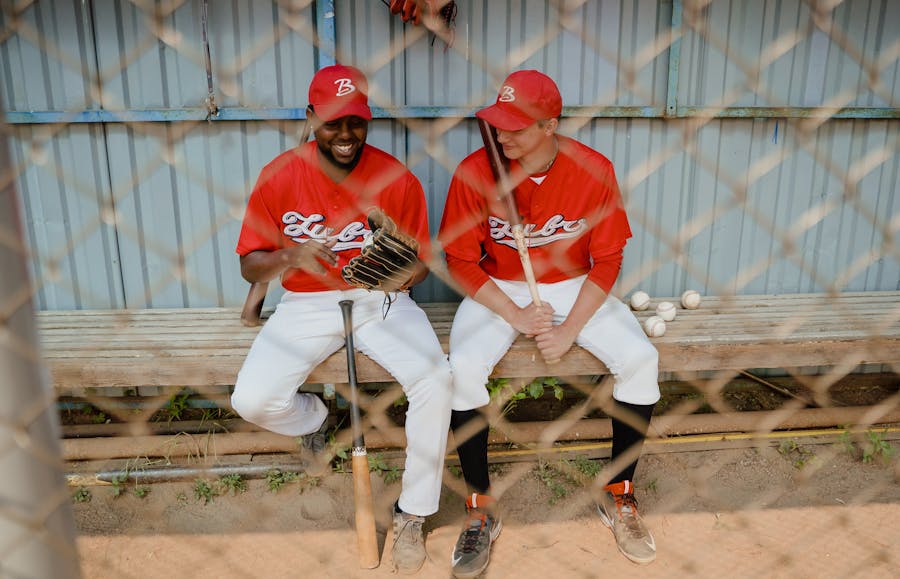
To understand bat vibration, it helps to know a little of the physics behind it. Every baseball bat, whether it’s wood, metal, or composite, vibrates on contact. How much depends on where the ball hits and what the bat is made of.
Bats aren’t as rigid as they look at first glance. That’s one of the biggest differences between a baseball bat and a cricket bat. When the ball hits the barrel, there’s a bit of flex built into the wood or metal.
Some bats flex more than others, but that flex is always there. Even a top-tier baseball bat will vibrate under the right conditions.
Here’s the part most players never hear about: a bat doesn’t just wobble randomly. It vibrates in specific patterns called bending modes, and each mode has points along the bat, called nodes, where the vibration is basically zero. Acoustics research on bats (Penn State’s Dr. Daniel Russell has published a lot of it) shows the “sweet zone” sits between the nodes of the first two bending modes, generally somewhere around 5 to 7 inches from the end of the barrel. Hit inside that zone and the handle barely moves. Hit outside it and your hands take the brunt of it.
Hitting the ball with the Sweet Spot of the bat
In this scenario, you square the ball up on that sweet zone I just mentioned. That’s the spot where the bat generates the most usable energy, so the ball flies off the barrel with the least amount lost.
The ball is carrying a lot of kinetic energy by the time it reaches the bat, and when it makes contact, some of that energy has to go somewhere. Normally, it travels up through the handle as vibration.
But because you connected inside the sweet zone, only a small amount of that energy ends up as vibration in the handle. You’ll still feel a bit of buzz, most hitters barely register it. That’s why a clean, solid hit rarely stings.
Hitting the Ball away from the Sweet Spot of the bat
Now for the second scenario: you catch the ball on the top or bottom of the barrel, away from that zone. Energy transfer to the ball just isn’t as efficient out there.
That means more of the ball’s kinetic energy stays in the bat instead of getting redirected into the hit. More energy funneled into the bat means a bigger, sharper vibration.
Miss the sweet spot and that vibration travels straight into your hands, which is exactly what players mean when they talk about hand sting.
Hitting the Ball with a Damaged Baseball Bat
I said I’d cover two scenarios, but here’s a third one for you. Sometimes you catch the ball right on the sweet spot and still feel a nasty sting. What gives?
That’s usually a sign the bat itself is wearing out. It’s more common with aluminum and composite bats, since they don’t crack and die the way wood does. Instead, they can develop tiny internal stress fractures over thousands of swings, and once that happens, the bat starts vibrating more, even on good contact.
So if your mechanics are solid and you’re consistently finding the sweet spot but the sting keeps showing up anyway, there’s a good chance your bat has simply reached the end of its useful life. At that point, replacing it is really the only fix.
If the Weather is Cold
Baseball isn’t a year-round sport for most of us, and if you’re swinging in cold weather, expect more sting than usual. Even a clean hit on the sweet spot can feel like a jolt when it’s cold out.
Cold temperatures make the bat material stiffer, so it flexes less and transfers energy less efficiently. This shows up more with wood bats than alloy ones. Plenty of manufacturers and leagues advise against gaming a wood bat once temps drop into the 40s Fahrenheit or lower, so if you’re a youth player mostly swinging alloy or composite, you probably won’t run into this as often.
How to Stop Baseball Bat Vibration
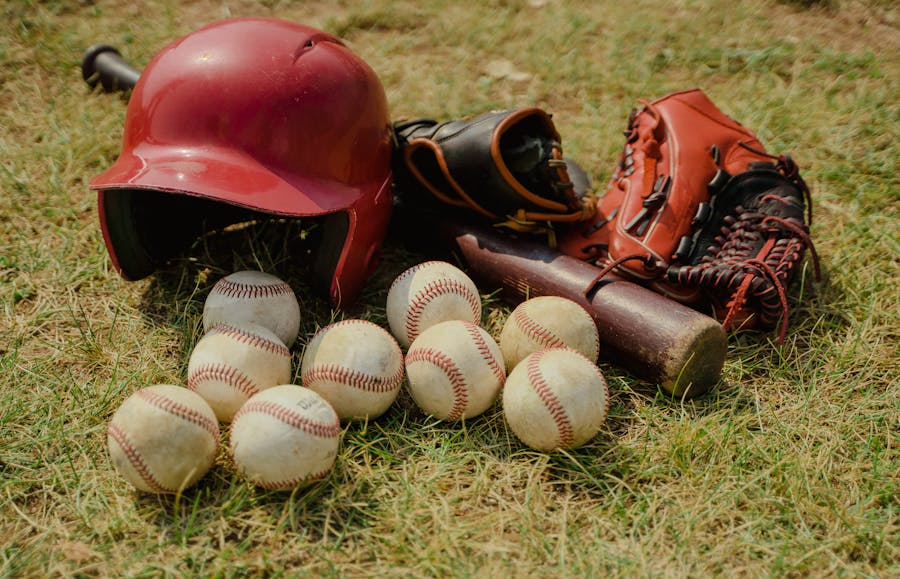
Understanding why your bat vibrates is one thing. Getting rid of it is another. If you’re serious about the game, you need an actual plan for keeping vibration under control.
Here’s what actually helps:
Get Good
The obvious one first: if your bat vibrates every time you make contact, you’re probably not finding the sweet spot consistently. Hitting the ball there doesn’t just kill vibration, it’s also where you get the most power behind your swing.
You won’t hear that solid pop without connecting there either. So get back in the cage and work your swing mechanics. The more consistently you find the sweet spot, the less you’ll notice the sting. If you’re still dialing in your setup, my beginner’s guide to choosing a baseball bat is a good place to start, since the wrong length or weight makes it a lot harder to find the barrel’s sweet zone in the first place.
Wear a Batting Glove
Getting better at finding the sweet spot cuts down on vibration, but it won’t get rid of it completely. Even with a high-quality aluminum bat, you’ll feel a bit of buzz on a good hit. Most players don’t find this uncomfortable, but everyone’s hands are different.
If your hands are sensitive and you want to cut down on vibration as much as possible, try a good pair of batting gloves. They’re not really built to dampen vibration, they’re built to improve your grip. But since they add a layer of cushioning between the handle and your hand, they do end up absorbing some of that shock too. I put together a list of batting gloves I’d actually recommend, including a few picks that work well for older hitters too, if you want a starting point.
Use a Bat with Vibration Dampening Features
Bats have come a long way. Manufacturers keep finding new ways to make the experience better for hitters, and a lot of today’s bats come with real engineering behind reducing hand sting, not just marketing copy.
MLB pros who stick to wood bats don’t have access to this stuff, but if you’re using an alloy or composite bat, it’s worth looking for. The Marucci Cat 7 or Cat 8 baseball bats are good examples. Both use Marucci’s patented AV2 knob, which is built to absorb and dissipate vibration before it reaches your hand. Other brands do something similar in their own way, mostly through the connection piece on two-piece bats that isolates the handle from the barrel. If cutting down on sting matters to you, it’s worth asking what a bat’s knob or connection system is actually engineered to do before you buy, rather than assuming every alloy bat handles vibration the same way.
Try Using a Composite Bat
As a last option, you could switch to a composite bat if the vibration from an alloy bat is too much to deal with. There’s no substitute for putting in the reps, and if you’re not consistently finding the sweet spot, no bat is going to fix that for you.
But a composite bat does make mishits more forgiving. Composite barrels are built from layered carbon materials, and that layered construction flexes and absorbs energy more effectively than a solid piece of aluminum or wood. If you want to see how composite and alloy stack up against wood more broadly, not just on sting but on distance and feel too, I broke that down in my aluminum versus wood bat comparison.
That’s why a mishit on a good composite bat usually doesn’t sting as much as the same mishit would on an alloy or wood bat. Just keep in mind composite bats aren’t legal in every league, so check your league’s rules before you buy one if you play competitively.
What Makes a Metal Baseball Bat Vibrate?
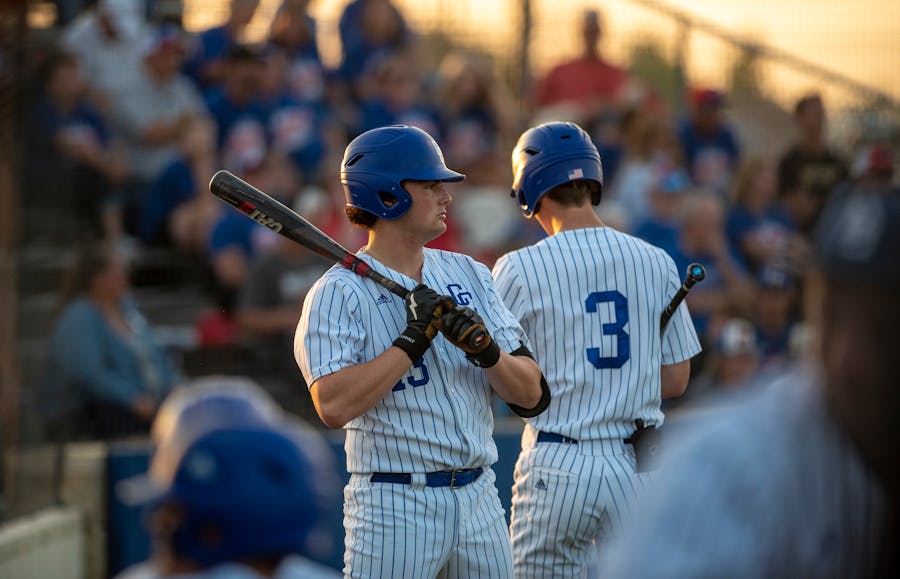
Metal bats vibrate for the same underlying reason any bat vibrates: inefficient energy transfer on contact. Some players will tell you metal bats vibrate more than wood. On well-struck balls, I’d actually argue it’s the other way around.
Wood bats, the kind the pros use, have a narrow sweet zone. To avoid vibration with a wood bat, you need to be accurate and consistent, swing after swing.
Metal and alloy bats have a noticeably bigger sweet zone by comparison, which makes it easier to find good contact more often. That’s a big part of why so many amateur and youth leagues stick with metal.
The tradeoff shows up on the bad hits. Miss the sweet spot on a metal bat and the vibration tends to hit harder than it would on wood. That’s part of why you’ll see players fling a metal or BBCOR bat straight to the ground rather than fight to hold onto it after a bad mishit.
If you’re a decent hitter, none of this matters much day to day. Find the sweet spot consistently and you won’t feel much sting no matter what the bat’s made of.
How Long Does a Metal Baseball Bat Vibrate For?
Not long, at least compared to how it feels in the moment. The vibration is really just leftover energy that didn’t transfer efficiently into the ball on contact, and that energy bleeds off fast, generally within a second or so. It just feels like longer because of the sting.
Let’s Recap
The vibration you feel on a mishit is really just feedback. It’s telling you that you didn’t find the barrel’s sweet zone, and it’s worth treating as a signal to keep working on your swing rather than something to just tolerate.
If you want to cut down on hand sting for good, put in the time in the cage, consider a bat with real vibration-dampening tech if you’re swinging metal or composite, and grab a solid pair of batting gloves for the mishits that still get through.
Play softball instead of baseball? Same physics, different bat. I cover it from that side in why softball bats vibrate.
Hope this cleared up why baseball bats vibrate and gave you a real plan for dealing with it. Cheers!

With 4 years of Division II experience, a .272 career batting average, .410 on-base percentage, and 7 home runs, I’m now in my fifth season. I’ve played baseball since age 3, alongside future MLB Draft picks, and I aim to pursue a career in baseball professionally, be it playing, coaching, or scouting.