
One thing I often get asked as a coach is which baseball bat is better. Should you go for a wooden bat? Or is a composite baseball bat the smarter choice?
Ask around and you’ll get varied opinions on the subject, which only complicates things further. Plenty of players swear by wooden baseball bats, while composite fans will tell you that wood is best left to the pros. So who’s actually right here?
If I had to give you a quick answer, I’d say both bats have their place. Composite bats are easier to swing and can help you drive the ball further, but if you want to play pro ball, wood bats are the only ones allowed in MLB.
Of course, that’s just scratching the surface. And if you’re like me, you’re not here for the short answer.
So let me walk you through a thorough wood vs composite baseball bats comparison to help you figure out which one belongs in your bag this season. Let’s get started.
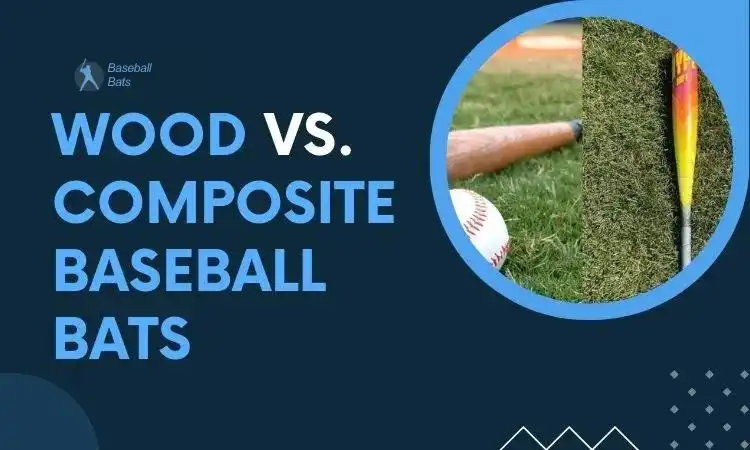
What are Wood Baseball Bats
Wooden baseball bats are, as the name suggests, made of wood. But not every wood bat is cut from the same tree. Depending on the price range or the manufacturer, the wood species used to make the bat can vary quite a bit.

The most common wood species for baseball bats are maple, ash, and birch, and these are what you’ll see MLB hitters using in nearly every game. For casual and youth play, though, you’ll also find bats made from other wood types, including hickory.
The main advantage of a wooden baseball bat is that it’s pretty inexpensive. Even a high-end wood bat shouldn’t cost you too much compared to composite. The downside is that wood bats break more easily and take a bit more skill to swing well.
What are Composite Baseball Bats
Composite baseball bats, on the other hand, are made of carbon fiber and other layered composite materials. These bats are a relatively recent innovation compared to metal or wood baseball bats. Because of how they’re built, composite bats tend to run pretty pricey.
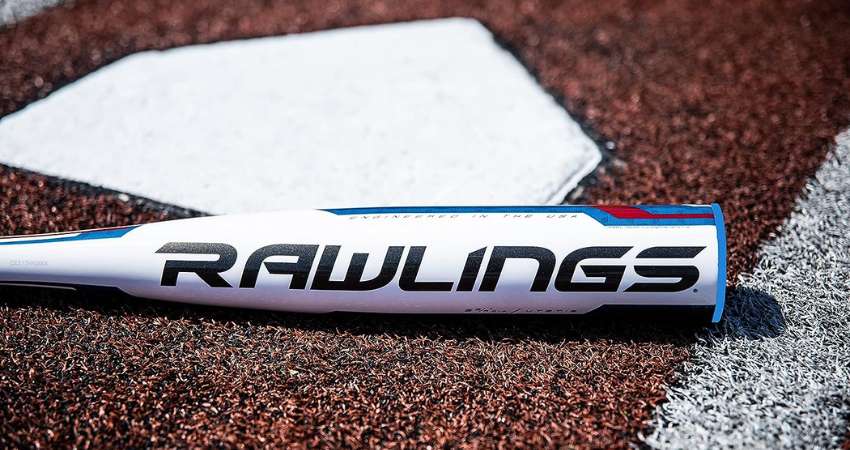
What makes them good is that they’re extremely lightweight and give you a bigger sweet spot than most other bat types. So even as a beginner, you’ll get a decent experience with one right out of the wrapper, once it’s broken in.
Of course, price is the main downside of composite baseball bats. The other common complaint is the break-in period. Most manufacturers recommend somewhere around 150 to 300 swings before a composite bat reaches its full trampoline effect.
Key Differences Between Wood vs. Composite Baseball Bats
Now that I’ve given you a brief overview of the two bat types, you should already start to see the bigger picture. When you dig into the differences, you’ll notice quite a few between a wood and a composite bat.
Here’s a quick chart if you’re short on time. But a chart never tells the whole story, so I’d suggest reading through to the end to understand all the major differences.
| Key Differences | Wood Baseball Bat | Composite Baseball Bat |
| Durability | Not very durable | Extremely durable |
| Swing Speed | Slower | Faster |
| Break in Period | None | 150 to 300 swings |
| Sweet Spot Size | Small | Large |
| Bat Response | Best, most natural feel | Good, but not as crisp as wood |
| Contact Strength | Low | High |
| Weight | Heavy | Lightweight |
| Affordability | Affordable | Expensive |
| MLB Choice | Yes | No |

Durability
Durability is a huge deal when it comes to baseball bats. If you watch MLB games, you’ve seen how many bats the pros break in a single game. Well, that’s because they exclusively use wood, and needless to say, wood bats don’t last very long. That’s one of the biggest complaints people have with them.
For a professional player, breaking a bat isn’t a big deal. He breaks one, and the manufacturer sends over another for free. But if you’re paying for your own gear, that’s not really a luxury you can afford. If you play in smaller leagues, you probably want a bat that lasts as long as it can.
That’s exactly where composite baseball bats shine. Since they’re built from layered carbon composite materials, they don’t break as easily as wood. In most cases, they’re even tougher than alloy bats too.
Winner: Composite baseball bats
Swing Speed
Swing speed refers to how easily you can swing the bat when you’re aiming for the baseball. Why does that matter? If you can’t swing your bat quickly, it’s harder to square up a good connection with the ball. Faster swing speed generally means an easier time making solid contact.

But swing speed isn’t the be-all, end-all with baseball bats. Some players actually prefer a heavier bat with a slower swing, since it’s easier to transfer more energy into the swing. On a good connection, that extra weight can send the ball flying.
With that said, a wood bat has a slower swing speed than a composite bat. So if you want to stay light and flexible with your baseball bat, a composite build might be the better choice. People have varied preferences here, so it really comes down to what feels right for you.
Winner: Composite baseball bats
Break in Period
Baseball gloves need a break-in period, that much is common knowledge. But what many people don’t realize is that some baseball bats need one too.
With wood bats, the break-in period is practically nonexistent. You can buy one and head straight to your game with it. As long as you can make a good connection, you’ll get all the power you need out of it right away.
This is where composite bats lag behind their wood counterparts. Most composite bats need somewhere around 150 to 300 swings to break in properly, rotating the barrel a quarter turn between hits so the fibers settle evenly. Realistically, that means spending a stretch of time in the batting cage before your bat reaches peak performance.
Winner: Wood baseball bats
Sweet Spot Size
The sweet spot refers to the section of the bat that gives you the most hitting power on a successful hit. Sweet spot size isn’t essential for a bat to be good, but for a beginner, it definitely helps. Relying on it too much, though, can do more harm than good.

Wood baseball bats have a fairly small sweet spot. If you want to hit a home run, you need to make a solid connection and put a decent bit of strength behind your swing. Otherwise, the ball won’t travel far when you make contact.
A big benefit of composite bats is a larger sweet spot. Getting a good hit off one is easier, even for a newcomer to the sport. You still need practice to develop your hand-eye coordination, there’s no way around that, but making consistent contact is simply easier with a composite bat.
Winner: Composite baseball bats
Bat Response
Don’t confuse the responsiveness of a bat with its weight. While weight and swing speed matter, bat response is a separate thing you should always factor in when picking a new one.
Bat response refers to the vibration you feel in your hands when you make contact with the ball. And with wood bats, that feel is about as good as it gets.
The response of a composite bat isn’t bad by any means. In fact, compared to an alloy baseball bat, it’s genuinely good. But there’s just something about a wood bat’s feel on a barreled ball that composite can’t quite replicate.
So here again, wood baseball bats take the win.
Winner: Wood baseball bats
Contact Strength
The contact strength of a bat plays a huge role in your overall experience with it. If contact strength is good, the bat does more of the heavy lifting for you, meaning a home run gets a lot easier to reach.

Composite baseball bats are the king of contact strength here. Hitting a home run is much easier thanks to the larger sweet spot and barrel flex. That’s why even a newcomer with some practice can consistently drive the ball with a composite bat.
That doesn’t mean wood baseball bats lack contact strength. On the contrary, when a pro picks up a wood bat, you won’t notice any shortage of raw hitting power. But for a beginner, tapping into that power takes more practice than it does with composite.
Winner: Composite baseball bats
Weight
The weight of a bat dictates both its swing speed and ease of use. A heavier bat is naturally harder to swing, and a beginner will have a tougher time wielding it. That’s why youth players and beginners tend to favor lighter bats most of the time.
Pick up a wood baseball bat in one hand and a composite bat in the other, and you’ll notice wood is usually the heavier of the two. There are lightweight wood bats out there that contact hitters like, but in most cases, a composite bat will be the lighter option.
Winner: Composite baseball bats
Affordability
If your budget is tight and you want a decent baseball bat for cheap, you’re probably wondering which type of baseball bat is more expensive. Keep in mind both wood and composite bats come in a range of price points.
Just like there are affordable composite baseball bats, an MLB-level wood bat can easily cost a fair bit of money. But generally speaking, wood bats are the more affordable of the two types.
Then again, composite baseball bats, since they last longer, might give you better value in the long run. It really comes down to how much you’re willing to pay upfront for quality.
Winner: Wood baseball bats
Bat Certification and League Rules
Here’s a detail a lot of parents and new players miss: composite bats have to carry the same certification stamp as an alloy bat for your league. High school and college ball require a BBCOR stamp, most youth rec leagues need a USABat stamp, and competitive travel ball usually runs on USSSA. A solid one-piece wood bat, on the other hand, is exempt from BBCOR testing entirely, since it naturally performs within that limit without needing a certification stamp.
This actually matters more than it used to. As of January 1, 2026, USSSA made -3 (BBCOR) the national standard at the 14U level, and national USSSA 14U events now require a BBCOR-certified bat or a wood bat. Some state-level events still allow -5 bats in limited local play, but if your player is moving up to 14U travel ball, a composite bat needs to carry a BBCOR stamp to be legal, a drop-5 youth composite bat won’t cut it anymore. If you’re unsure which certification applies to your kid’s league, it’s worth checking my alloy vs composite baseball bats breakdown, which goes deeper into BBCOR, USSSA, and USABat certification.
Are Composite Bats Better than Wood Bats?
At first glance, it might seem like composite bats are better than wood baseball bats. And since they bring plenty of technology and design improvements to the table, that’s true to some extent.
But the thing is, people have varied preferences. Ask most MLB pros about their favorite bat, and they’ll point you toward wood almost every time. Composite bats simply aren’t the pro’s choice.
Then again, as a casual player just starting out, composite bats will likely give you a better experience. They last longer and make it easier to learn the fundamentals of hitting. So if you’re shopping for the best youth baseball bat, you might end up leaning composite, as long as it carries the right certification for your league.
And if wood is calling your name instead, whether for training or because you want that pro feel, I’ve rounded up some solid picks in my guide to the best wood baseball bats.
I hope this in-depth comparison between wood and composite baseball bats helps you understand what sets the two apart. Good luck!

With 4 years of Division II experience, a .272 career batting average, .410 on-base percentage, and 7 home runs, I’m now in my fifth season. I’ve played baseball since age 3, alongside future MLB Draft picks, and I aim to pursue a career in baseball professionally, be it playing, coaching, or scouting.