
I get asked this one a lot, usually from a parent standing in the baby aisle holding a bottle of Johnson’s, wondering if it’ll save them a trip to the sporting goods store. So let’s settle it. Can you use baby oil on a baseball glove?
Gloves get stiff. It happens to brand new ones fresh out of the box, and it happens to old favorites that spent the offseason buried in a bag. The fix usually involves a leather conditioner, a lot of playing catch, or maybe a break-in mallet if you’re impatient like me.
But what if you’ve already got a bottle of baby oil sitting in the bathroom cabinet? Does it work the same way a real glove conditioner does, or are you setting yourself up for a ruined mitt?
Short answer: yes, you can use baby oil on a baseball glove, and in small amounts it won’t hurt the leather. But it’s not the product I’d reach for first, and there are a couple of things you should know before you start rubbing it in.
What’s Actually in a Bottle of Baby Oil?
Most baby oil on store shelves, Johnson’s included, is just mineral oil with a bit of fragrance added. Mineral oil itself is a byproduct of petroleum refining. It’s colorless, odorless in its raw form, and gentle enough that dermatologists sign off on it for a baby’s skin.
That’s the key thing to understand here. Baby oil isn’t a leather product. It was never formulated with hides or stitching in mind. It just happens to be an oil that’s cheap, easy to find, and sitting in a lot of households, which is exactly why so many players have tried it on their gloves over the years.
Is It Safe to Use Baby Oil on a Baseball Glove?
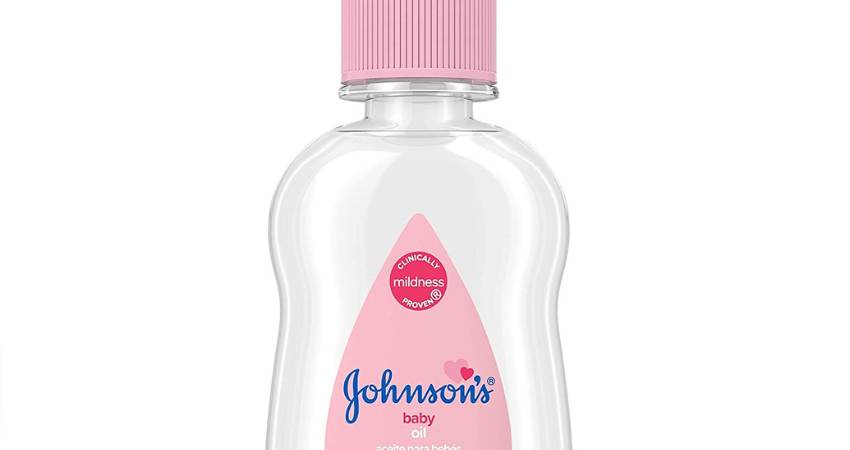
In small doses, yes. Because baby oil is a mineral oil, it will soften stiff leather and give a dried-out glove some flexibility back. I’ve used it in a pinch when I couldn’t get to the store, and it did the job for a quick tune-up.
The catch is that mineral oil doesn’t absorb into leather the way a purpose-built glove oil or conditioner does. It tends to sit closer to the surface, which means it’s easy to over-apply without realizing it. A dash worked into the pocket and fingers is plenty. You don’t need to soak the glove.
If the glove still feels tight after that, let it sit overnight and reapply a small amount the next day rather than piling on more right away. Leather takes time to drink in what you give it, and rushing the process is how most people end up with a heavy, greasy-feeling glove.
Where baby oil gets you into trouble is with repeated, heavy use over months or years. Petroleum-based oils can break down the natural fibers in leather over time, which weakens the stitching and makes the hide more prone to cracking down the road. It’s the same reason most glove-care guides warn against Vaseline, motor oil, and other petroleum products as a long-term conditioning routine, not just a one-off fix.
So think of baby oil as a stopgap, not a maintenance plan. It’s a lot gentler than something like linseed oil, which can gum up and darken leather fast, but it’s still not something I’d want soaking into my glove every week of the season.
Baby Oil vs. a Real Glove Conditioner
Here’s the honest comparison. Products made specifically for glove leather, like Lexol or a lanolin-based glove oil, are formulated to condition without over-saturating. They replace the natural oils leather loses over time instead of just sitting on top of it. That’s a real difference, and it’s why coaches and glove repair shops almost always point players toward a dedicated glove conditioner rather than whatever’s in the medicine cabinet.
I dug into how mineral oil specifically performs on glove leather in a separate mineral oil breakdown if you want the deeper dive. The short version lines up with what I’m saying here: it works, but it’s not built for the job the way a real glove conditioner is.
If cost is the reason you’re eyeing baby oil, I get it. A bottle of leather conditioner isn’t free. But a small bottle of the real thing lasts most players a full season or two, so you’re not saving as much as it seems.
How to Use Baby Oil on a Glove the Right Way
If you’re going to use it, do it carefully. Here’s how I’d approach it:
- Wipe the glove down first with a dry cloth to clear off dirt and dust.
- Put a few drops of baby oil on a soft cloth, not directly on the glove.
- Work it into the pocket, the fingers, and the hinge points where the leather flexes most.
- Let it sit for a few hours, then wipe off any oil that hasn’t soaked in.
- Play catch with it or work a ball into the pocket to help the leather flex naturally.
- Check back in a day or two before deciding if it needs another light coat.
Skip the stitching and the webbing laces when you apply it. Those parts don’t need conditioning and oil can weaken the thread over time.
Better Alternatives Worth Trying First
Before you reach for the baby oil, it’s worth knowing what else is out there. I’ve tested most of the household options players ask me about:
- Shaving cream works surprisingly well as a lighter alternative, and I walked through the whole process in my shaving cream break-in guide.
- Coconut oil gets recommended a lot online, but I’d hold off there. I explained why in my piece on using coconut oil on a baseball glove.
- Vaseline is another petroleum-based option people ask about, and it behaves a lot like baby oil. I cover the pros and cons in my Vaseline on baseball gloves article.
- For a wider rundown of what’s out there, I put together a full list of glove oil alternatives worth comparing side by side.
And if you’re just getting started with glove maintenance in general, my guide on how to take care of a baseball glove covers the full routine, from cleaning to storage, not just what to rub on the leather.
My Bottom Line
Baby oil won’t ruin your glove if you use it sparingly and don’t make a habit of it. It’s a reasonable emergency fix when your glove feels stiff and you don’t have anything else on hand. But it’s not a substitute for a proper leather conditioner, and leaning on it long-term is how gloves end up with cracked, tired-looking leather years before they should.
My advice: use it once if you’re in a bind, then pick up a small bottle of glove-specific conditioner for the regular upkeep. Your glove will thank you for it, and so will your wallet down the road when you’re not replacing it early. Cheers!

With 4 years of Division II experience, a .272 career batting average, .410 on-base percentage, and 7 home runs, I’m now in my fifth season. I’ve played baseball since age 3, alongside future MLB Draft picks, and I aim to pursue a career in baseball professionally, be it playing, coaching, or scouting.