
The features, perks, and advantages you get from a softball bat depend a lot on what it’s built from. Construction refers to the materials used, and those materials are what make one bat feel completely different from another in your hands.
It’s the same story with softball bats. The material determines the pop, the sweet spot, the durability, and even the price tag. So if you’ve ever wondered what softball bats are actually made of, you’re in the right place, because I’ve got it covered for you.
What Are Softball Bats Made of?
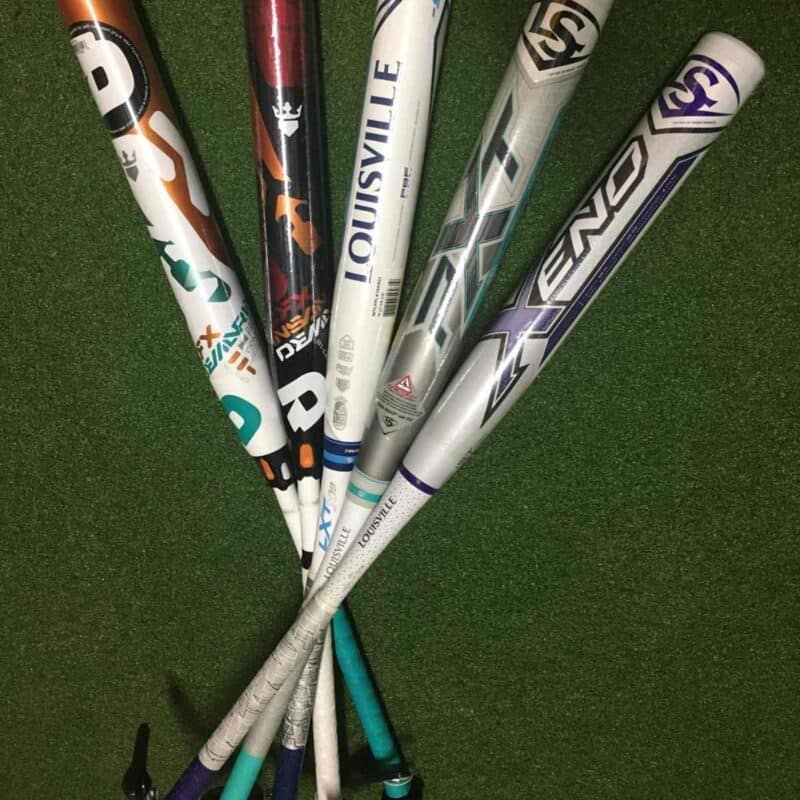
If I had a nickel for every time someone asked me this, I’d probably be a millionaire, or at least a guy with a decent stack of cash. It’s not just you who wants to know what softball bats are made of. Plenty of players and parents shopping for their first bat ask the exact same question.
Here’s the short answer: there are four main types of softball bats, and the materials used to build them aren’t the same at all.
So what are these materials I keep talking about? Let me show you.
- Aluminum alloy bats (made from aluminum blended with other metals like zinc, magnesium, and copper)
- Composite bats (made using carbon fiber, fiberglass, and graphite, and occasionally Kevlar)
- Wooden bats (made from ash, maple, bamboo, or composite wood blends)
- Half and half or hybrid bats (made from an aluminum barrel paired with a composite handle, or vice versa)
Each bat is built using a single material or a mix of a few. The material determines how the bat performs and how long it lasts. If you want the detailed version of everything I just said, keep scrolling.
Here’s a quick chart showing the different bat types and the materials used in them.
| Made | Material |
| Composite | Carbon fiber, graphite, fiberglass, and sometimes Kevlar |
| Aluminum Alloy | Aluminum blended with a mix of other metals |
| Half and Half | Aluminum-composite, or composite-composite |
| Wooden | Maple, ash, bamboo, composite wood |
Generally speaking, there’s a short list of materials used to make softball bats, and some are more popular than others. Each one brings a different set of trade-offs to the table, so let’s break down how each material actually performs.
What Are Composite Softball Bats Made of?
Composite bats are built from a mix of materials, mainly carbon fiber, with fiberglass and graphite layered in. Kevlar shows up occasionally, but it’s rare. Carbon fiber is the dominant material in most composite softball bats, and it’s a pretty light material that’s easy for manufacturers to distribute through the barrel.
The real advantage of composite is that it can flex a lot more than metal alloy without losing its shape, which is why composite barrels usually run thinner and longer than alloy ones. There are typically several layers stacked in a composite bat’s barrel wall. Composite bats came onto the scene around the year 2000, and they’ve been a dominant force in fastpitch ever since. If you want a deeper side-by-side on how composite stacks up against alloy, I broke it all down in my composite vs alloy softball bats comparison.
Composite bats also come in one-piece or two-piece builds, and that construction choice affects how much flex and whip you feel through the swing.
What Is Aluminum or Alloy Softball Bats Made of?
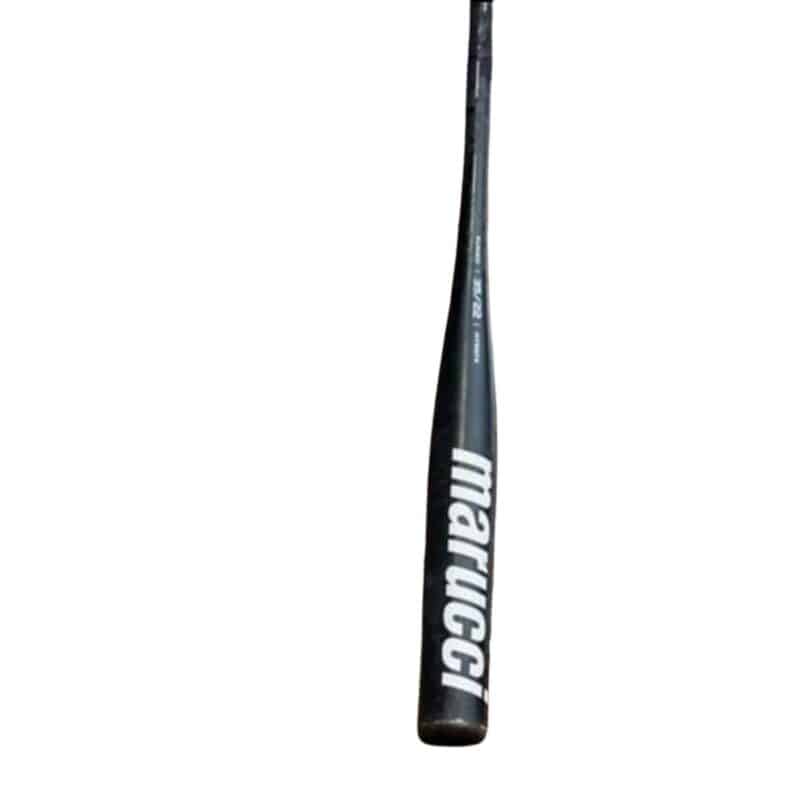
Aluminum bats feature a blend of aluminum with other metals such as zinc, magnesium, and copper. There’s no such thing as a pure aluminum bat; on its own, aluminum is too soft to hold up to repeated contact, so manufacturers alloy it with other metals for strength. Unlike composite, an alloy bat typically comes with a single layer of metal rather than stacked layers. A manufacturer named Worth introduced the first one-piece aluminum bat, and the idea of using aluminum as the core material for softball bats spread quickly through the late 1970s.
Then came Easton. At the time, they were relatively new to the field, yet they refined alloy construction and started using higher grades of aluminum for their bats, which helped push the whole category forward.
What Are Wooden Softball Bats Made of?
If you’re strictly a fastpitch player, you can skip this part, since wood bats aren’t legal in fastpitch play. But if you play slow-pitch softball, this one’s for you.
Around 1887, when softball was first invented, wooden bats were the only type that existed. Then came aluminum alloy and composite bats, which took over most of the fastpitch softball market. Wooden bats, though, are still a common sight in slow-pitch leagues.
Usually, wooden bats are made from bamboo, ash, maple, or composite wood blends. Among the different types of wooden bats, one made from bamboo is considered the strongest, and it also lasts longer than the others.
Maple, on the other hand, is denser and harder than ash, so a lot of power hitters prefer it for its stiffness. Ash is different from bamboo and maple since it’s softer, which gives players a bit more bat control.
Composite wooden bats blend a few different types of wood together. They’re sturdy, durable, and perform well, but they can be illegal in some leagues, so check your league’s approved bat list before buying one.
What Are Half and Half Softball Bats Made of?
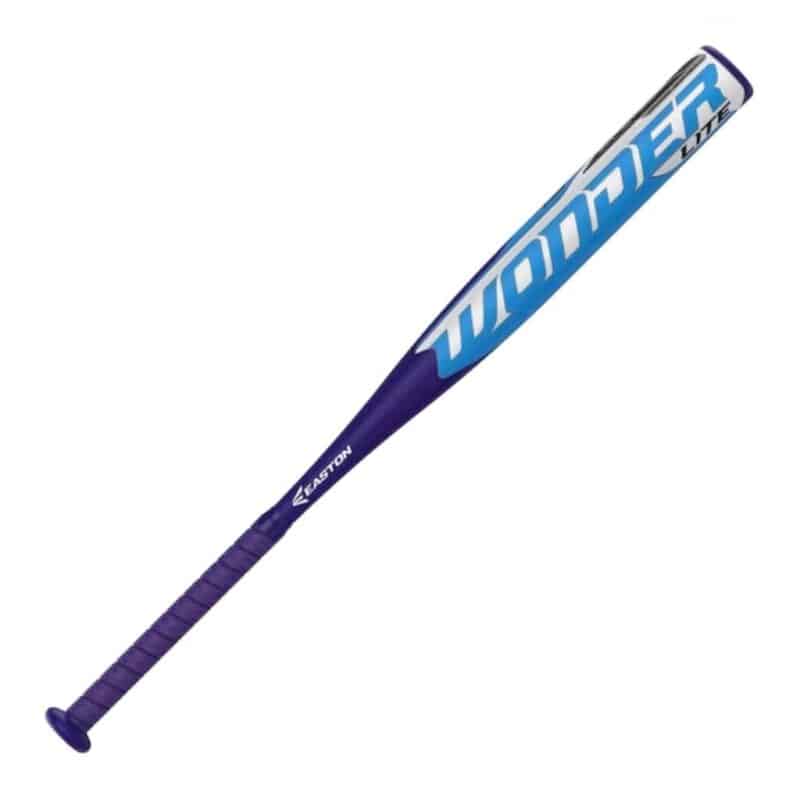
If you’ve heard about one-piece and two-piece designs, you probably already have an idea of what a hybrid or half-and-half softball bat is.
A one-piece design refers to a bat made from the same material from top to bottom. A two-piece design, on the other hand, refers to a bat where the handle and barrel are built separately and then connected.
So here’s the simple version. A bat with an aluminum barrel and a composite handle is known as a hybrid softball bat. A bat with a separate composite barrel and composite handle is referred to as a two-piece composite softball bat. Make sense?
Advantages and Disadvantages of Composite Softball Bats
Composite bats feature multiple layers, which usually protects them from denting. These bats are also lighter than wooden and alloy bats of a comparable size.
The best thing about composite bats is that the material can flex more than metal, so the bats naturally come with longer, thinner barrels. Longer barrels mean bigger sweet spots, and the bigger the sweet spot, the easier it is to land a good shot.
Composite bats also offer a variety of swing weights, and you’ll find both balanced and end-loaded models in this category. One more thing I like about composite bats is that the layered construction cuts down on the vibration you feel on a mishit.
If you’re chasing more pop and more power behind your shots, composite is your go-to material. That said, these bats need a real break-in period. Expect to put roughly 100 to 200 swings on a composite bat before it’s fully broken in and performing the way it’s supposed to. They’re also more expensive than the other bat types and lose some performance in cold weather. Even so, a high-end composite bat should cover most of what you need while keeping its weaknesses in check.
Advantages and Disadvantages of Aluminum or Alloy Softball Bats
Unlike composite bats, alloy bats usually come with only one wall. That’s good and bad at the same time. The good side is that aluminum bats don’t crack like composite bats can; the downside is that they dent more easily. If you want the full breakdown of how wall count affects performance, I cover that in my single wall vs double wall softball bats guide.
Aluminum bats are also fairly affordable, but that doesn’t mean they’re not durable. They hold up well over time, and if the bat you’re using does dent, it’s usually cheap enough to just replace.
Another perk of aluminum bats is that they don’t need a break-in period, and that classic “ping” sound you get on a solid hit is still one of the most satisfying sounds in the sport.
Thanks to the trampoline effect of an alloy barrel, you can still put together some seriously powerful shots. Power isn’t a problem for aluminum.
Unlike composite bats, alloy bats have a smaller sweet spot, and the vibration on a mishit is noticeably sharper, so you have to be a bit more careful when you’re using them. Alloy bats aren’t really built for beginners who need extra forgiveness; they’re better suited to players who already have solid contact.
Advantages and Disadvantages of Wooden Bats
Now it’s time to talk about the father of all bat types, wood. Everything from baseball to softball started with wooden bats. They’re remarkable, not just in how they look but in how they perform too.
Wooden bats are quite durable, and cold weather doesn’t affect their performance the way it does composite. They don’t dent like aluminum bats, but they will crack if used roughly, similar to composite bats.
Wood bats tend to be the most affordable of the bunch, which makes them appealing to a lot of players. Like alloy bats, there’s no break-in period required; they’re ready to swing right out of the box. Wooden bats also produce the least amount of vibration among all bat types, and they still pack plenty of punch.
The downside to wooden bats is that they’re harder to control and swing. You need more precision to land a solid hit. That’s exactly why a wooden bat is a great tool for practice; it’s the least forgiving of the bunch, so it forces you to sharpen your swing.
Advantages and Disadvantages of Hybrid Bats
Figuring out the pros and cons of a hybrid bat isn’t complicated. You get some of the advantages of both materials, just to a more limited extent.
For instance, a hybrid bat is usually cheaper than a full composite bat but pricier than a full aluminum one. If you connect the dots, a hybrid bat sits right in the middle. It’s a bit of a jack of all trades.
So if you’re after a bat that’s decent across the board rather than elite in one area, a hybrid or half-and-half bat is worth a look.
If you want specifics, here’s what to expect: it’s light and gives you good overall balance. There’s no break-in required, so you can use it right out of the box. Hybrid bats tend to be more durable than composite bats but not quite as durable as full alloy ones.
The downside is that not every hybrid bat is legal in every league. Since the handle is usually composite, it’s also more susceptible to cold weather and cracking than a full alloy bat. Always double-check your league’s certification requirements before buying.
Here Is a Chart to Show You How the Bats Perform in Different Circumstances
| Made | Pop | Break-in | Durable | Balance | Typical Price |
| Composite | Great | Needed | Decent | Great | $150-$500+ |
| Alloy | Decent | Not needed | Great | Not Good | $50-$150 |
| Wooden | Decent | Not needed | Great | Not Good | $40-$120 |
| Hybrid | Great | Not needed | Decent | Decent | $100-$300 |
Prices vary by brand and model year, so treat these as ballpark ranges rather than exact figures.
What is the Best Material for a Softball Bat?
The best material for a softball bat isn’t something objective, it’s subjective. A hard hitter might love the feel of an aluminum bat, while someone who plays more tactically might want something that gives them better overall balance.
There are a few things that come into play when you’re figuring out the best material for your game. Let’s look at them one by one.
Power Hitting
What’s the best material when you want to hit the ball as far as possible? Not wood, and not hybrid. It’s either aluminum alloy or composite.
Both are great, but I’d lean toward aluminum alloy edging out composite here, simply because there’s no break-in period. You can start hitting big shots from swing one, as long as you know how to handle your bat.
Composite bats show their hard-hitting side too, but only after you’ve put in the 100 to 200 swings it takes to break one in.
Bring Forth the Weather Chart
If you play somewhere that gets genuinely cold, you’ll want to steer clear of composite. Composite bats lose performance in cold temperatures, so they’re not the best material if you’re playing softball in the winter or somewhere cold for most of the year.
It’s smart to avoid composite and hybrid bats in those conditions. Stick with aluminum, alloy, or even wooden bats instead.
Balance in All Things
Some players look for overall balance, while others want raw power. If you’re in the first camp, a composite or hybrid bat should be your pick.
A composite bat offers more balance than an aluminum one. It has a larger sweet spot and produces a smaller amount of vibration when you miss a shot. Larger sweet spots mean a better chance of landing a clean hit, which is exactly why players chasing balance tend to gravitate toward composite.
Price is Right
Not everyone can afford the high-end bats, and some premium composite bats from top brands can run $400 to $600 or more. If you’re just getting into the game, it makes sense not to spend that much right out of the gate. I go into more detail on exactly why bats cost what they do in why are softball bats so expensive.
Aluminum bats are considerably cheaper than their composite counterparts. So if you’re trying to keep costs down, stick with aluminum, wooden, or hybrid bats.
Personal Preference
Your preference for a specific material plays a big role in all of this. You can like one material more than another, and that’s completely up to you.
I personally lean toward aluminum alloy bats because I like the sound they make on contact. You, on the other hand, might prefer composite because it’s easier to handle and gives you a much larger sweet spot.
Practice or The Real Deal
If you want to train yourself the hard way, get a wooden bat. First, it’s durable. Second, it’s affordable. And third, it’s the least forgiving option out there.
Wooden bats are heavier and harder to control. If you sharpen your skills with a wooden bat, every other bat will feel like a magic wand in your hands afterward.
If you’re gearing up for your next real game instead, stick to aluminum, composite, or hybrid bats.
So, aluminum, composite, and wood all have the potential to be the best material for a softball bat. It really comes down to the situation you’re in and, of course, your own preference.
The Types of Bats Used in Fastpitch and Slow Pitch Softball
Primarily, there are two types of softball: fastpitch and slow-pitch. But did you know that the bats used in each sport aren’t the same? If you didn’t, don’t sweat it, because I’m about to make it crystal clear.
What Are Fastpitch Softball Bats Made of?
Fastpitch softball bats are made from aluminum, composite, or a combination of both. Those are the three primary materials used across the fastpitch category, and none of them is objectively “better” than the others.
As I mentioned earlier, each material has its own benefits and drawbacks. Fastpitch bats typically have a barrel diameter of 2-1/4 inches, and the drop weight (the difference between length and weight) generally falls between -8 and -12, depending on the model and player size. Certification also matters here: most leagues require a USSSA (1.20 BPF) or USA Softball/ASA stamp, and some bats carry both. I cover exactly what those stamps mean in my USSSA vs ASA softball bats guide.
What Are Slow Pitch Softball Bats Made of?
Unlike fastpitch bats, slow-pitch softball bats can be made from four different materials. You’ll find bats made from aluminum alloy, composite, wood, or a mix of aluminum and composite (half and half bats).
You might assume composite slow-pitch bats automatically outperform wooden ones, but that’s not really the case. Every material listed above is capable of producing a top-notch slow-pitch softball bat.
It really comes down to your preference and what material is legal in the league you’re playing.
More Questions on Softball Materials
This is where I address some of the questions I’ve seen people ask on Reddit, Quora, and other forums about softball bat materials. Hopefully you’ll find it useful and learn something new here.
· How do I know if my softball bat is composite?
Usually there are stickers or graphics on the bat that reveal whether it’s made from composite, aluminum, or a different material. If it doesn’t say, you’ll need to figure it out by handling it.
Aluminum bats feel harder and stiffer, while composite bats feel more flexible. If you can’t tell just by holding it, take it for a few swings. After a handful of hits, you’ll usually start to notice the difference.
Composite bats need to be broken in, so there’s a good chance you’ll start noticing a spider web pattern across the barrel as you use one. Don’t panic; that’s just a sign you’re breaking in the bat and unlocking its full performance.
· What is on the inside of a softball bat?
If you didn’t already know, here you go. Aluminum and composite softball bats are hollow inside, and it’s that hollow design that creates the trampoline effect you’ve probably heard so much about.
Wooden bats, on the other hand, are solid, so there’s no trampoline effect there.
· What are DeMarini softball bats made of?
DeMarini makes nearly every type of bat, including aluminum, hybrid, and other material combinations. That said, their most well-known softball bats tend to feature composite construction.
· What are Louisville softball bats made of?
Louisville Slugger softball bats span a few different materials, especially composite and wood. They’re one of the few remaining brands that still manufactures wooden softball bats.
· Where are Easton softball bats made?
Easton’s headquarters is in Thousand Oaks, California, and that’s where the brand designs its softball and baseball lineups. Easton’s sports lab, where they test out equipment, is located in Van Nuys, California.
· Are Louisville Slugger bats made of ash?
Not all of them, but Louisville Slugger is one of the few brands that still produces ash bats for amateur players. So yes, some Louisville Slugger bats are made from ash.
· Are all softball bats composite?
No, not even close. There are aluminum alloy bats, wooden bats, and hybrid bats out there too. Composite just gets the most attention because it’s the material most competitive fastpitch hitters gravitate toward.
· What certification stamp do I need on my softball bat?
It depends on your league. USSSA-sanctioned play requires a bat that meets the 1.20 BPF standard and carries the USSSA thumbprint stamp, while USA Softball (formerly ASA) requires bats that pass its ABI test. Some bats are dual-certified and carry both stamps, which covers you for either league. I go through the full comparison, including weight and length limits, in my USSSA vs ASA softball bats breakdown. Always check your specific league’s current approved bat list before buying, since associations do update and delist bats over time.
Time to Draw the Curtain
As you can see, the material is what changes the whole experience. It’s not the same holding a wooden bat as it is swinging a composite one. The feel, the pop, the durability, the balance, and the power all differ from material to material.
There’s no single perfect softball bat. It all comes down to which softball you play, fastpitch or slow-pitch, the weather where you’re playing, how much you can spend, and whether you want a balanced or a powerful bat. Knowing the strengths and weaknesses of each material is what actually helps you pick a bat that gives you the advantages you need without the drawbacks holding you back.

With 4 years of Division II experience, a .272 career batting average, .410 on-base percentage, and 7 home runs, I’m now in my fifth season. I’ve played baseball since age 3, alongside future MLB Draft picks, and I aim to pursue a career in baseball professionally, be it playing, coaching, or scouting.