
For years, DeMarini Prism+ and Easton Ghost Advanced have been two of the most talked about fastpitch softball bats on the market. I’ve been coaching for a long time now, and I’ve handed a lot of different bats to a lot of different players over the years.
Every season a fresh wave of parents and players asks me the same thing: Prism or Ghost, which one should I buy? So I got both current-year models into my players’ hands and put this debate to rest. I’m working with the 2026 DeMarini Prism+ and the 2026 Easton Ghost Advanced here, not older close-out models, since those are what you’ll actually find on shelves right now.
So if you’re trying to settle the DeMarini Prism vs Easton Ghost softball bat question for yourself or your kid, stick around. I’ll walk you through specs, features, and how each one actually performs at the plate.
Comparison Between DeMarini Prism vs Easton Ghost Softball Bat
The “which one is better” question has been around for a while, and honestly, I still go back and forth on it myself. Both bats bring real performance to the table. It mostly comes down to which one fits your swing and your budget.
Specifications
| General Specs | DeMarini Prism+ (2026) | Easton Ghost Advanced (2026) |
| Bat Length | 28″ to 34″ | 29″ to 34″ |
| Barrel Diameter | 2-1/4″ | 2-1/4″ |
| Barrel Material | Composite (Continuous Fiber) | Composite (Sonic Comp Max) |
| Weight Drop | -11 | -8, -9, -10, -11 |
| Certification | USA Softball, USSSA, NSA, ISA | USA Softball, USSSA (fastpitch), NSA, ISA, WBSC |
| Street Price | Around $400 | Around $500 |
Overview
Right away you’ll notice the Ghost Advanced gives you more weight drop options, from -8 for power hitters all the way to -11 for contact hitters. The current Prism+ line ships in -11 only, which tells you a lot about who DeMarini built it for. If you want the full rundown of what weight drop even means for your swing, I’d also point you toward our guide on stiff flex vs regular flex softball bat handles, since flex and drop weight work together more than most players realize.
1. DeMarini Prism+ Fastpitch Softball Bat
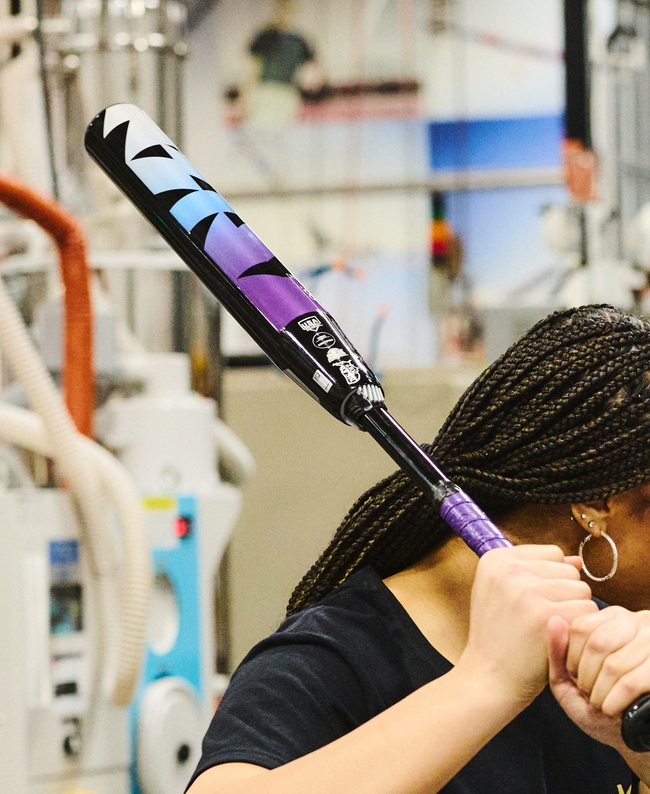
DeMarini has really outdone itself with the Prism+. It comes with a Doublewall Gapped Barrel design that’s built to give you a clean, sharp sound and a genuinely satisfying feel when you square one up. The bat uses long, continuous composite fiber strands running through the barrel, which spreads the weight out evenly and helps widen the sweet spot.
It’s not just the barrel doing the work, either. The Prism+ also has a ReFract End Cap and a Type V Connection. The end cap helps you keep bat speed and control through the zone, while the connection piece works with the Continuous Fiber Composite Barrel to add a little extra whip on contact.
Overall, this bat is built for players who want a light, forgiving swing they can trust. It’s a great fastpitch bat for contact hitters and younger players still building bat speed. I’ve liked it every time I’ve handed it to a player, and I think most of you will too.
2. Easton Ghost Advanced Fastpitch Softball Bat
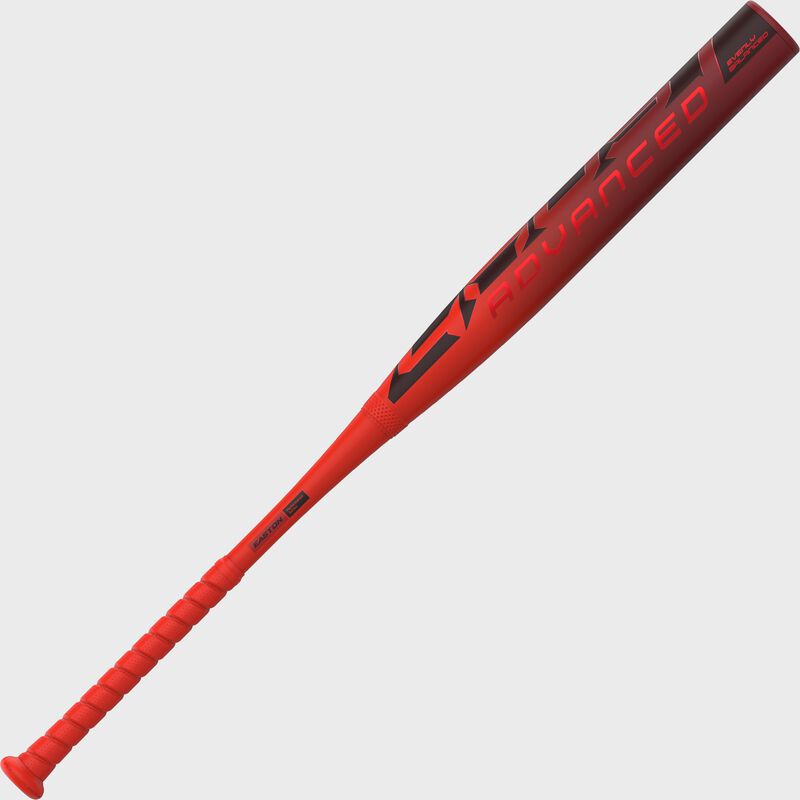
The Ghost Advanced is the direct descendant of the original Easton Ghost that a lot of you probably remember, and it’s come a long way. It still leans on composite construction, but the current version uses Easton’s Sonic Comp Max material, which the brand markets as its most durable composite yet with a lower barrel compression for more pop out of the wrapper.
Easton’s patented Double Barrel 3 construction is still the headline feature. A flexible outer barrel pairs with a second inner barrel, and that combination is what gives the Ghost Advanced its distinct sound and pop compared to single-wall bats. It hits with noticeably more authority than most single-barreled bats I’ve tested.
Then there’s ConneXion Evolution, the two-piece connection system that transfers energy efficiently while cutting down on hand-stinging vibration. Easton also added Power Boost Soft Knob technology, which softens the feel in your bottom hand during the swing so mishits sting less.
Note: Unlike the older 2019 Ghost, the current Ghost Advanced is USA Softball certified along with USSSA fastpitch, NSA, ISA, and WBSC, so field approval shouldn’t be an issue for most leagues. Just double-check your specific league’s bat list before you buy, since rules vary by region. If you want maximum barrel length and a one-piece feel instead, Easton also sells the Ghost Unlimited, which is worth a look for pure power hitters.
Features
A side-by-side look at the core technology packed into both the DeMarini Prism+ and Easton Ghost Advanced.
| DeMarini Prism+ | Easton Ghost Advanced |
| Doublewall Gapped Barrel Technology | Double Barrel 3 Construction |
| Continuous Fiber Composite Barrel | Sonic Comp Max Composite |
| ReFract End Cap | ConneXion Evolution |
| Type V Connection | Power Boost Soft Knob Technology |
The Difference in Performance
After putting both bats in my players’ hands over several practices, I noticed a few clear differences. On sound, the Prism+ has a sharper, brighter crack than the Ghost Advanced. It carries across the field in a way that’s genuinely satisfying to hear.
On balance, I’d also give the edge to the Prism+. My players consistently said it felt lighter and easier to control through the zone. The Ghost Advanced feels a bit more end-loaded, especially in the -8 and -9 drops, which takes more strength to whip through but rewards you with serious pop. That tracks with what you’ll find in our breakdown of which softball bats have the most pop, where end-loaded, double-barrel bats like the Ghost Advanced tend to top the list.
When we got into raw power and exit speed off the bat, the Ghost Advanced pulled ahead. Almost every player I asked said they felt more pop right out of the wrapper with the Ghost Advanced, while the Prism+ takes a little breaking in before it really wakes up.
Performance Chart
| General Aspects | DeMarini Prism+ | Easton Ghost Advanced |
| Sound | Superior | Inferior |
| Balance | Superior | Inferior |
| Break-In | Inferior | Superior |
| Power/Pop | Inferior | Superior |
| Weight Drop Options | Inferior | Superior |
| Certification Coverage | Superior | Superior |
Who Wins?
In the battle between DeMarini Prism vs Easton Ghost softball bat, I don’t think there’s a clear winner or loser. Both bats are near the top of the fastpitch composite bat game right now. It really comes down to which one matches your swing and your position in the lineup.
If you’re a contact hitter, a slapper, or a younger player still building bat speed, I’d lean toward the Prism+. It’s light, forgiving, and easy to control. If you’re a power hitter who wants more weight drop options and the biggest pop off the bat, the Ghost Advanced is the better call, especially in the -8 or -9 drop.
Personally, I still lean toward the DeMarini Prism+. I like the balance and the sound, and once it’s broken in, the pop is right there with the Ghost Advanced anyway. But plenty of my players swear by the Ghost Advanced, and I can’t argue with their numbers.
Both bats are USA Softball and USSSA certified now, so you shouldn’t run into the field-approval headaches that used to come with the older Ghost models. If you’re still shopping around, it’s worth checking our full list of the best fastpitch softball bats for power hitters, our breakdown of how the Prism+ stacks up against the DeMarini CF, and our Easton vs Louisville Slugger comparison before you make a final call. Either way, both brands make bats that can help you hit harder and hit smarter. Good luck out there.

With 4 years of Division II experience, a .272 career batting average, .410 on-base percentage, and 7 home runs, I’m now in my fifth season. I’ve played baseball since age 3, alongside future MLB Draft picks, and I aim to pursue a career in baseball professionally, be it playing, coaching, or scouting.