
When you buy a new baseball glove, you’ll notice the pocket area is slightly tackier than the rest of the leather. That built-in stickiness is what helps you close on the ball instead of watching it bounce right back out. Over time though, that grip fades. Sweat, dirt, sun, and just plain use wear down the tack in the pocket.
It’s inevitable. Regular conditioning slows it down, but sooner or later every glove loses some of its grip. The good news is you don’t have to live with a slick pocket, and you definitely don’t have to throw the glove away and start breaking in a new one. Gloves aren’t cheap, so tossing one out over a fixable problem never feels good.
There are several safe, proven ways to bring the stickiness back into a baseball glove. Rubbing dirt into the pocket, using a pocket adhesive, or working in a leather conditioner are the go-to fixes I reach for.
Below I’ll walk through the methods that actually work, so you can get your glove catching like new again without spending a dime on a replacement.
How to Restore Your Baseball Glove’s Stickiness
Playing with a slick glove in a real game is the fastest way to boot a routine ball and get benched. So if you notice your grip going soft, deal with it early instead of hoping it fixes itself. There are quite a few ways to bring the tack back, but not all of them are equally safe or effective.
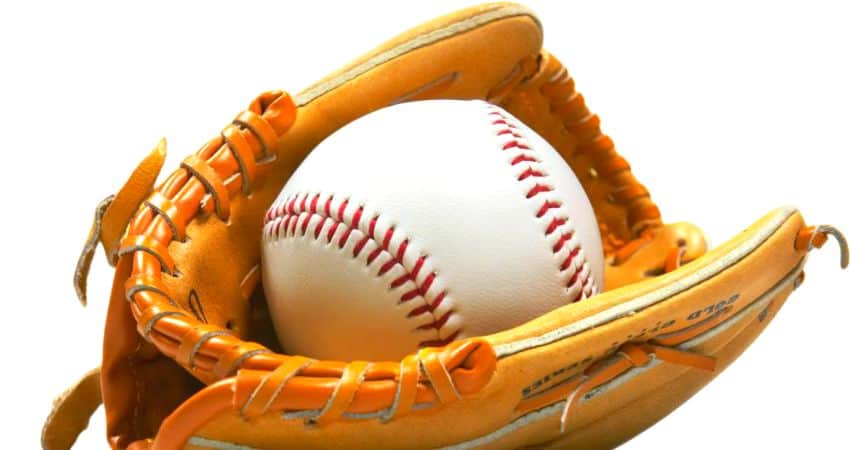
Personally, I like to start with the simplest, cheapest options first and only move to something stronger if I need to. Here are the methods I trust.
· Rub the Palm with Dirt
The simplest fix for a slick pocket is rubbing a little dirt into it. If moisture is the culprit, which is usually the case when you’re playing in the cold or storing your glove in a damp bag or locker, this clears it up fast. It’s the classic dugout trick for a reason.
Moisture is rough on leather. In cold or humid weather, tiny water particles in the air settle into the pocket and make it slippery. Rubbing in a small pinch of infield dirt soaks up that moisture and restores the tack almost instantly. No product needed, and it’s the first thing I try before reaching for anything else.
· Use Pocket Adhesive or Spray
Another quick fix is a pocket adhesive or grip spray made specifically for glove leather, like the pocket grease adhesives sold by companies such as Ball Player’s Balm. Apply only a thin amount. Going overboard can gum up the leather or cause your fingers to stick together inside the glove, which is more annoying than helpful.
Make sure whatever you use is approved for baseball glove leather specifically. Generic adhesives or tack sprays meant for other sports can leave a residue that attracts dirt and grime instead of just improving grip, so read the label before you spray anything on a glove you care about.
· Put it Out in the Sun
If your glove is relatively new and you live somewhere cold or damp, this fix is easy. Set the glove out in direct sun for an hour or two and the pocket should tack back up on its own.
Even newer gloves pick up moisture from cold, humid conditions, and that moisture is what makes the pocket feel slick. Drying it out in the sun usually restores the stickiness. Just don’t leave it out for hours on end. Too much direct heat can dry the leather out and eventually cause cracking, so an hour or two is plenty. Bring it in once it feels dry to the touch.
· Use Glove Conditioner
Using a glove conditioner on a regular basis is essential for the health and lifespan of your glove. Skipping it can lead to cracked, flaky leather and a slippery pocket. I keep a bottle on hand year-round and work a small amount in every few weeks during the season.
If your leather is already cracked, that’s usually a sign your glove is nearing the end of its life, and conditioner alone won’t undo that damage. But if the pocket is your only problem, a good conditioner can bring back a lot of the tack and buy you several more months of use. I’ve had good results with lanolin-based formulas too. My guide to lanolin glove oil covers how to apply it if you want an alternative to a standard conditioner. For a rundown of the conditioners I actually trust, check my best baseball glove oil and conditioner picks.
· Use Petroleum Jelly
Petroleum jelly, the same stuff you’ll find as Vaseline, isn’t a purpose-built glove conditioner, but it can have a similar effect in a pinch. I’d still rather use a sports-approved conditioner for regular maintenance, but if you’re out of options, petroleum jelly can get you out of a sticky situation. I break down exactly how it compares to real conditioner in my guide on using Vaseline on baseball gloves.

Apply just a small amount and only rub it into the areas that need it. If the pocket is your only trouble spot, don’t smear it across the whole glove. For anything beyond a quick fix, go with a proper baseball glove conditioner instead.
Final Thoughts
A slick glove is all it takes to ruin your day on the field, but it’s a fixable problem, not a reason to buy a new one. You don’t need to spend hundreds of dollars, or spend weeks breaking in a fresh high-end glove, just to get the pocket gripping the way it should.
The methods above aren’t the only tricks out there, but they’re the easiest and require the least effort for the biggest payoff. Start with dirt or sun exposure, work up to conditioner or pocket adhesive if you need more, and your glove should be catching cleanly again in no time. If you want the full maintenance routine so this doesn’t keep happening, my baseball glove care guide covers everything from cleaning to storage. Good luck out there.

With 4 years of Division II experience, a .272 career batting average, .410 on-base percentage, and 7 home runs, I’m now in my fifth season. I’ve played baseball since age 3, alongside future MLB Draft picks, and I aim to pursue a career in baseball professionally, be it playing, coaching, or scouting.