
When you start shopping for a softball bat, you’ll run into a pile of confusing terms like:
- End-load/Balanced
- One-piece/Two-piece/Three-piece
- Single-wall/Double-wall
- Exit speed
- Drop weights
And that list just keeps growing. It’s a lot to sort through, so let me walk you through the one question I get asked the most: single wall vs double wall softball bats. Don’t worry, I’ve got your back. Let me show you.
Single Wall Vs Double-Wall Softball Bats
Here’s the short version. Single wall bats have less pop and less power, but they’re light, easy to control, and they put more balls in play. A double wall bat is heavier because it’s built with two barrel layers. The inner wall is thin and does most of the flexing. The outer wall is thicker and holds the shape.
That extra layer boosts what’s called the trampoline effect, basically how much the barrel flexes and springs the ball back out. More trampoline effect means a hotter batted ball speed, which is exactly why USA Softball and USSSA cap every legal bat at a 1.20 BPF (bat performance factor) rating before they’ll stamp it for play. If you want the full rundown on what makes one bat hit harder than another, I go deeper into it in my piece on which softball bat has the most pop. For now, just know double wall bats usually win that fight. But there’s more to this decision than raw power, so keep reading.
What Is a Single Wall Softball Bat?
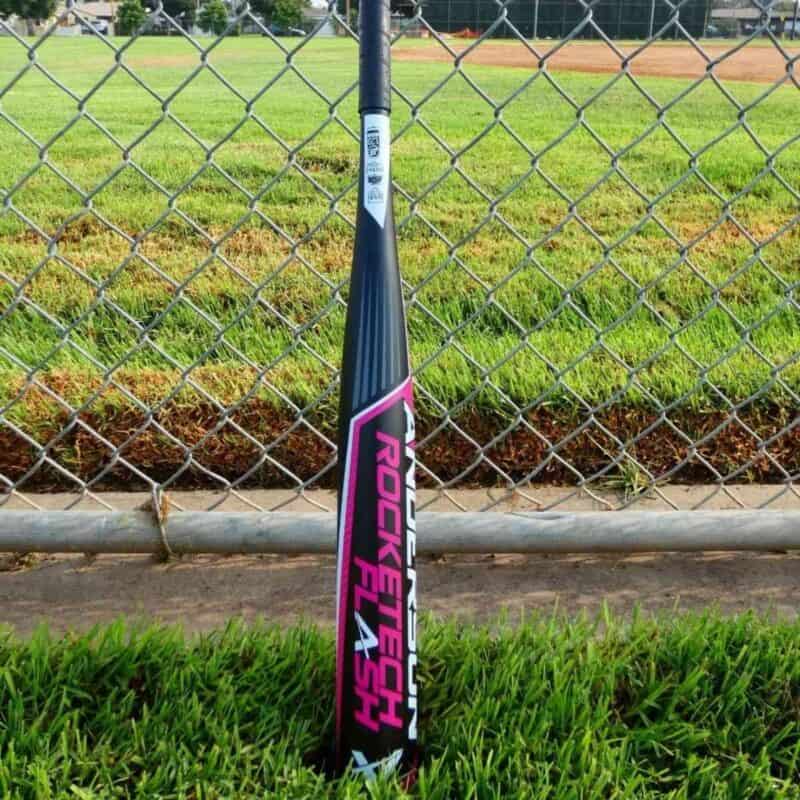
A single wall bat has one solid barrel wall, no second layer underneath it. Most single wall bats are made from aluminum alloy, which keeps them light and lets manufacturers build a genuinely big sweet spot. That sweet spot is a big reason coaches hand these to new players first. It gives developing hitters more room for error and helps them figure out how to swing the softball bat without getting punished for a slightly off swing.
Single wall bats also tend to run cheaper since there’s less material and less manufacturing involved. Lighter, safer, more forgiving, and easier on the wallet, that combination makes them a solid pick for contact hitters and anyone just starting out.
What Is a Double-Wall Softball Bat?
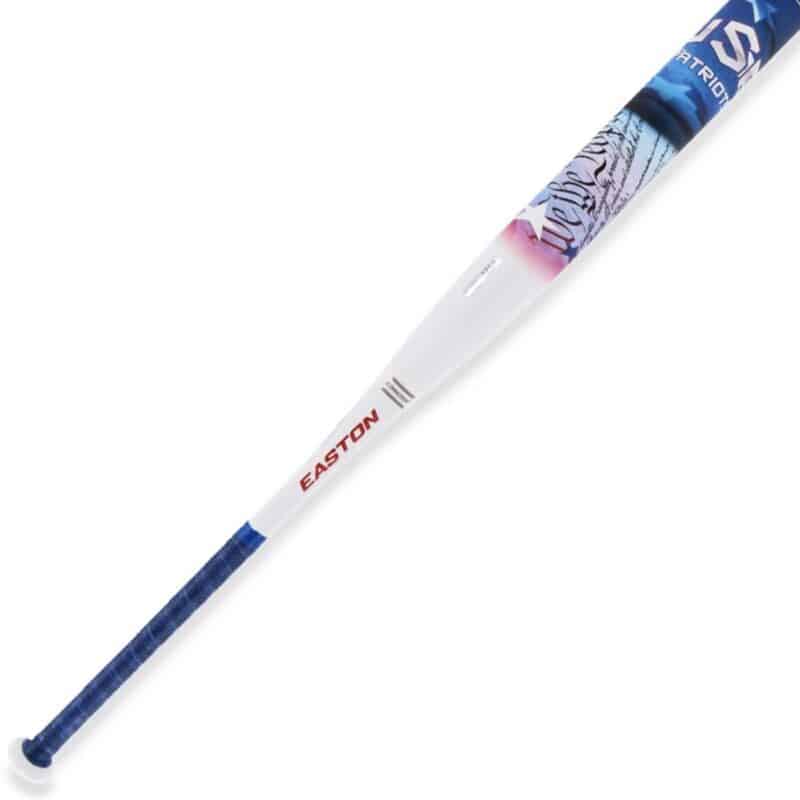
A double-walled bat adds a second inner wall underneath the outer barrel, and that inner layer reinforces the whole barrel while adding flex. Composite bats are almost always built this way, which is exactly why they’re the barrel of choice behind the best fastpitch bat for power hitters. If you want a closer look at how that construction changes performance, check out my breakdown of the advantages of composite bat construction.
Stacking two walls increases the trampoline effect and pushes batted ball speed higher, which is great for power, but it’s also why some leagues restrict or ban certain double wall and multi-wall bats. Before you buy anything for league play, check your association’s approved bat list. I break down exactly how USSSA and ASA/USA Softball certification rules differ, since a bat that’s legal in one association can get you called out in another.
Difference Between Single Wall and Double Wall Softball Bats
· Weight
Single wall bats are lighter, plain and simple. Less material in the barrel means less weight to swing, which is why you’ll see them in the hands of younger players and anyone who values bat speed over raw pop.
· Trampoline effect
Single wall bats still give you a decent trampoline effect at the point of contact. But double wall bats take it further because both walls flex together, and that combined flex is what generates the higher batted ball speed double wall and composite bats are known for.
· Durability
Here’s where it gets a little counterintuitive. Single wall bats perform well, but that thin barrel dents and cracks faster, especially against mishits. Double wall bats hold up to rough use much better since the reinforced barrel spreads the impact out instead of taking it all on one thin wall.
Is Single Wall or Double-Wall Bat Better?
Neither one is objectively better. A double wall bat hits harder and holds up longer under regular use, but it costs more and swings heavier. A single wall bat is lighter, cheaper, and easier to control, but it won’t hold up as long and it won’t hit quite as hard. It really comes down to what you value most on the field.
Ballplayers Who are Looking for Single-Wall & Double-Wall Bats
If you’re on the hunt for one of these right now, here are two bats I’ve had personal experience with, one from each category. Both are still sold today, and they’ve served me well.
Easton Hammer Slowpitch Softball Bat (Single-Wall)

The Easton Hammer has a single wall barrel built for both rec league play and competitive slow pitch softball. Like most single wall bats, it’s made from aluminum, specifically Easton’s ALX50 military-grade alloy, which keeps it sturdy and durable without adding much weight.
It’s a one-piece build, which keeps reaction speed snappy so you can get the barrel through the zone quickly. The barrel measures 12 inches with a shorter handle, and current retail pricing puts it right around $50 to $60, making it one of the most budget-friendly bats in this whole comparison.
It’s built with a 29/32 inch handle wrapped in an All-Sports grip for comfort, and it’s sized at 32″/25oz., 33″/26oz., and 34″/28oz. It carries certification for USA Softball, USSSA, WBSC, ISA, and NSA play, so it covers most rec and church league associations. The one exception is men’s tournaments run strictly under men’s softball associations, where it isn’t approved, though it’s still fair game for practice and drills.
DeMarini Prism+ (Double-Wall)

The DeMarini Prism+ sits at the other end of the spectrum. It’s a two-piece composite fastpitch bat with a continuous fiber barrel, meaning the barrel is rolled from long, uninterrupted strands of composite instead of cut sheets. That construction is a big part of why it swings light for a double wall bat.
Depending on the size and drop weight you pick, and whether you catch a sale, expect to pay somewhere between $170 and $400. That’s a wide range, but it reflects how much retailers discount older Prism+ releases once a new model year drops. If you want to see exactly how it stacks up against DeMarini’s other flagship, I compared it directly in DeMarini Prism+ vs. DeMarini CF.
The Prism+ uses DeMarini’s Gapped Wall barrel technology, where the inner and outer walls work together to create the signature Prism pop and a noticeably larger sweet spot. The Type V™ connection between the handle and barrel cuts down on vibration from mishits, which matters a lot once you’re swinging a two-piece bat regularly.
It comes in sizes from 29″ up to 34″, available in both -10 and -11 drop weights. The -11 is the lighter swinging option built for younger or contact-focused hitters, while the -10 gives a bit more mass for hitters who’ve outgrown the lighter drop. It’s certified for USA Softball, USSSA, ISA, NSA, and WBSC play, so it’s tournament legal pretty much everywhere fastpitch is played.
With Everything Said and Done
The difference between a single wall bat and a double wall bat really comes down to one thing: whether there’s a second layer reinforcing the barrel. But how that difference plays out on the field, in weight, pop, durability, and price, is what actually matters when you’re picking one out.
You don’t need the priciest bat on the shelf to be an ace hitter. You just need the right bat for how you play.
If you’re a contact hitter who wants control and a forgiving sweet spot, go for a single wall bat. If you’re a power hitter and you don’t mind paying more for it, the double wall bat is going to serve you better. I hope this article helps you. Thank you.

With 4 years of Division II experience, a .272 career batting average, .410 on-base percentage, and 7 home runs, I’m now in my fifth season. I’ve played baseball since age 3, alongside future MLB Draft picks, and I aim to pursue a career in baseball professionally, be it playing, coaching, or scouting.