
Got an old baseball glove sitting in the attic, the garage, or the bottom of a closet somewhere? Maybe it’s your own glove from a decade ago, or maybe it’s a hand-me-down from your dad that you want to actually use this season. Either way, I’ve brought plenty of gloves back from the dead, and I’m going to walk you through exactly how to do it.
Old gloves go stiff for one of two reasons. Either the leather dried out from years of neglect and started cracking, or it sat somewhere humid and soaked up moisture until it got heavy and misshapen. Sometimes it’s a bit of both.
Restoring a glove like that takes patience. It’s not a five-minute job, and if you rush it or use the wrong products, you can do more damage than good. But it’s also a genuinely satisfying project, and I’ve never regretted the time I put into reviving an old glove.
Below, I’ll walk you through the right way to oil an old baseball glove, including which oil to use, how to clean it first, and how to soften the leather back up so it’s ready for your next game.
Best Oil for an Old Baseball Glove
The right oil brings a glove back to life. It softens leather that’s gone stiff, helps the glove last a lot longer, and speeds up the break-in process on leather that’s been sitting untouched for years. It also keeps the material lubricated enough to resist cracking as it flexes again.
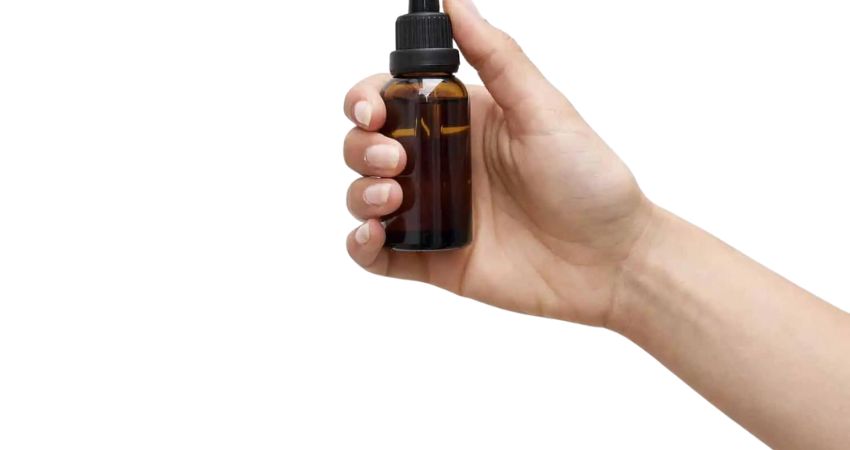
All of that only holds up if you’re using the right oil, though. Skip anything petroleum-based, like straight motor oil or a heavy petroleum jelly. Those sit on the surface instead of soaking in, and over time they break down the leather fibers instead of feeding them. That’s especially risky on an old glove that’s already fragile.
My go-to is lanolin oil. It’s the same ingredient found in most baseball glove oil conditioners, and it works great on glove leather without weighing it down. If the glove is really dried out and stiff, neatsfoot oil is another solid option since it’s a bit heavier and penetrates deeper into old, hardened leather. Either one beats a household substitute like olive oil, which will soften leather in a pinch but isn’t built for the long haul. Believe it or not, a lanolin-based shaving cream also does a surprisingly good job in a pinch.
Whatever you pick, don’t pour it straight onto the glove. Put a small amount on a clean cloth and work it into the leather with a gentle, circular motion. Take your time and make sure it actually seeps in rather than sitting on top.
Go easy on the amount, too. It’s tempting to load up an old, dried-out glove with oil, but too much will make the pocket heavy and can leave the leather feeling greasy instead of supple. One or two light coats is usually plenty for the first round.
After you apply it, let the glove rest for a full day. Keep it away from direct heat, sunlight, or anything that could dry it out too fast, and let it air dry on its own. Once that 24 hours is up, wipe off any excess with a clean cloth or a bit of cotton before you move on.
How to Restore an Old Baseball Glove
Restoring an old glove is more than just rubbing on some oil and calling it done. It takes a handful of steps, and skipping any of them usually shows up later in the form of a stiff spot or a glove that never quite softens up right. If you’re up for it, though, it’s genuinely one of the more rewarding things you can do with a piece of old gear.
Here’s the process I use every time.

Step 1: Unlace and Clean the Laces
Start by removing the laces so you can clean them on their own. They’re leather too, so saddle soap works great here.
You’ve got two ways to unlace a glove:
- Unlace it carefully by hand
- Cut the old laces with scissors and buy new ones to relace with
Once the laces are clean, set them aside to dry while you work on the rest of the glove.
Step 2: Deep Clean the Glove
An old glove that hasn’t been used in a while usually has a thick layer of dirt and grime built up, even if it’s been sitting in storage the whole time. Before you touch it with any oil, you need to clean the baseball glove properly.
I use saddle soap for this. It cleans the leather without putting it at risk the way harsher cleaners can. Work it in with a small circular motion, and make sure you get in between the fingers.
You’ll notice a light lather forming as you go. Wipe that off with a second rag, and take your time making sure you get all the built-up dirt and grime out from years of neglect.
Step 3: Let It Dry Completely
Give the glove a full day or two to dry after cleaning it. Don’t put it in the oven or reach for a hairdryer to speed things up. Instead, set it in a well-ventilated room and let it air dry naturally. A table fan pointed at the glove can speed the process up a bit if you’re in a hurry.

Since saddle soap conditions leather a bit on its own, this is also a good time to start loosening the glove up. Fold it, squeeze it, and bend it gently to get things moving. You’ll notice the leather starting to feel softer already.
Step 4: Apply the Oil
Once the glove is completely dry, it’s time to oil it. Use lanolin oil or neatsfoot oil, and again, stay away from petroleum-based products. Work the oil into the leather thoroughly, then wipe off any excess after letting it sit for a day or two.
If the glove still feels stiff after the first coat fully dries, go ahead and recondition it with a second, light coat. Older gloves can be stubborn, and it sometimes takes a couple of rounds before the leather really loosens up.

Step 5: Relace the Glove
Happy with how it’s looking? Now it’s time to relace it. You can take it to a shop and have it done professionally, or lace it back up yourself. Just make sure the laces are pulled snug and the wrist strap is adjusted so the fit feels right on your hand.
That’s the whole process. From here, all that’s left is to grab a ball and go play some catch with your restored glove.
How to Soften an Old Baseball Glove
A neglected glove goes stiff without regular care. If you dig one out of storage, you’ll notice it right away: the leather feels dry and the whole glove barely wants to close.
Oil is the foundation for softening it back up. It breaks down the stiffness in the leather and makes it pliable again, but oil alone won’t finish the job. You still need to work the leather by hand.

Once the glove is oiled and dry, a rubber mallet is the fastest way to loosen it up further. Playing catch works too, and it’s what actually shapes the pocket to your hand long term, but if you want faster results, a mallet gets you there quicker. Focus on the pocket and the hinge points where the thumb and fingers meet, since those spots crack and stiffen first. I break this down in more detail, including the wrap-and-tie trick with a baseball, in my guide on the fastest way to break in a glove.
Don’t expect the leather to soften up in a single day. In my experience, it usually takes three to four days of regular use before the glove starts feeling comfortable and game-ready in your hand. Once you’re past that point, though, it feels like a completely different glove.
How Often Should You Oil an Old Glove?
Once you’ve gone through the full restoration, you don’t need to keep oiling it heavily. One or two coats during the initial revival is usually enough to get old, dried-out leather back to life. After that, switch over to a lighter glove conditioner for regular upkeep instead of reaching for oil every time the leather looks a little dull.
Oil is built to penetrate deep and soften stiff, untreated leather. Conditioner sits lighter on the surface and just replaces the moisture your glove loses from sun, sweat, and regular flexing. Oiling a glove that’s already broken in every week is one of the fastest ways to over-soften the pocket and shorten its life. If you want a closer look at specific products and which ones darken leather versus keep it looking original, I’ve laid it all out in my baseball glove oil and conditioner buyer’s guide.
Once your glove is back in playing shape, keeping it that way is a lot less work than reviving it was. My glove care guide covers the ongoing routine so you don’t end up back in the same spot a few years from now.
Parting Wisdom
Restoring an old baseball glove is a genuinely fun project, and it’s rewarding even if you never end up wearing it in a real game. If the idea of bringing an old glove back to life appeals to you at all, this guide should get you most of the way there.
Picking the right oil is honestly half the battle. I’ve seen plenty of good gloves ruined by well-meaning owners who reached for whatever oil was in the kitchen cabinet instead of something actually made for leather. Now that you know what to use and how to apply it, the rest should go a lot smoother.
I hope this guide on how to oil an old baseball glove helps you get a few more seasons out of yours. Cheers!
Tyler Wells

With 4 years of Division II experience, a .272 career batting average, .410 on-base percentage, and 7 home runs, I’m now in my fifth season. I’ve played baseball since age 3, alongside future MLB Draft picks, and I aim to pursue a career in baseball professionally, be it playing, coaching, or scouting.